Bucks Lake Fishing Report
If that fails, drop a Carolina rig in 40–50 ft off the main channel and wait for a slow, deliberate bite.
THE CALL
Target rainbow trout in the deep, cooler basins of the main lake. The best move is a slow-retrieve spoon or a small minnow-profile crankbait fished along the south shore drop-off from 6:30 AM to 9:30 AM — that’s your window before the wind cranks to 20 mph and the sun pounds the shallows.
WHY IT WINS
- Water temp is 72°F, which is warm for trout. They’ll be pushed to cooler, deeper water (30–50 ft) where oxygen and temperature are more stable.
- Falling pressure and a pre-frontal setup trigger a short feeding window before the afternoon front. The minor solunar (8:00–9:30 AM) adds a reliable activity spike.
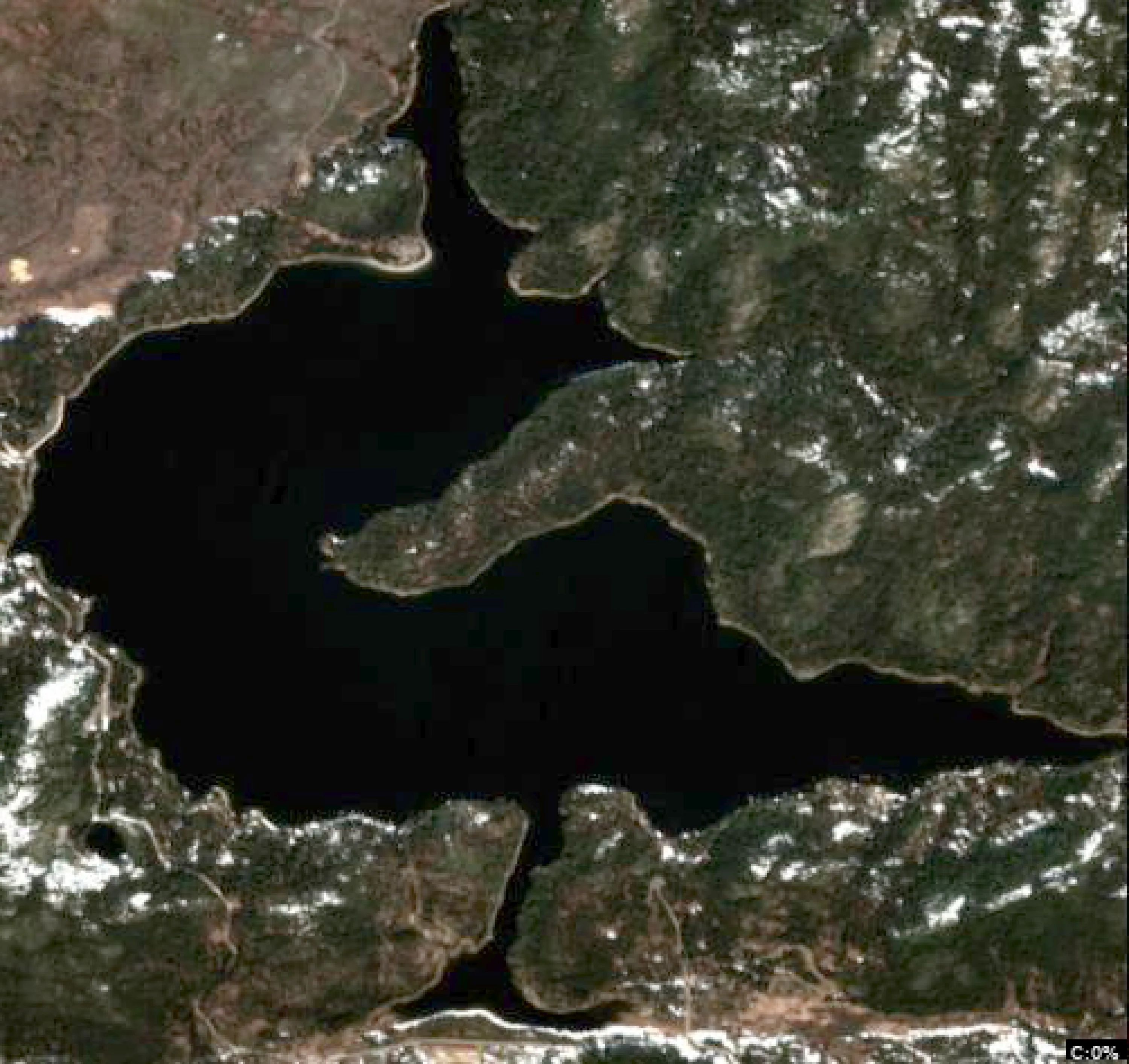
- Recent thermal imagery from July 11 shows cooler pockets along the south shore’s steep structure, and the July 13 natural imagery confirms clean, clear water — trout will be tight to the bottom and structure.
START HERE
Head to the south shore near the dam. The structure map shows a sharp drop-off from 15 ft to 45 ft within 100 yards of the bank. This is the quickest access to deep, cool water, and the pre-front wind (forecast to hit 20 mph later) will push bait and plankton into this zone early.
THROW THIS
- Primary: ¼ oz silver Kastmaster spoon. Cast and let it sink to the bottom on a slack line, then rip it up 2–3 feet and let it flutter back. The flash and erratic fall trigger reaction strikes from holding trout.
- Backup: 2.5″ Rapala Countdown in rainbow trout pattern. Trolled or cast-and-crank at a medium speed, running 8–12 ft deep. If the spoon isn’t hitting, this bait covers more water and finds suspended fish.
- Bait: If you’re allowed live bait, a nightcrawler on a #6 hook under a 1/4 oz slip-sinker, dragged along the bottom, is a deadly slow option when the bite is neutral.
BEST WINDOW
6:30 AM to 9:30 AM. The morning air is 57°F, wind is light (4–5 mph), and the water is still cool from the overnight. The minor solunar peaks at 8:00–9:30 AM, and you’ll be off the water before the 20 mph wind and 82°F heat shut down the surface bite.
NEXT MOVE
If the deep south shore is dead after 45 minutes, slide to the northeast inlet where cooler stream water enters the lake. The thermal edge there will hold a few active trout even in the heat. Switch to a 1/8 oz jig tipped with a worm, fished vertically in 20–30 ft of water right at the current seam. If that fails, drop a Carolina rig in 40–50 ft off the main channel and wait for a slow, deliberate bite.