LAKE NATOMA REPORT
The cooler refuge will hold the fish that got pushed off the hot flats.
LAKE NATOMA REPORT
THE CALL Fish the southwestern thermal break edge from 8:00 AM to 11:00 AM with a 3/8oz chatterbait in white/chartreuse, then follow up with a black/blue finesse jig in the stained pockets.
WHY IT WINS
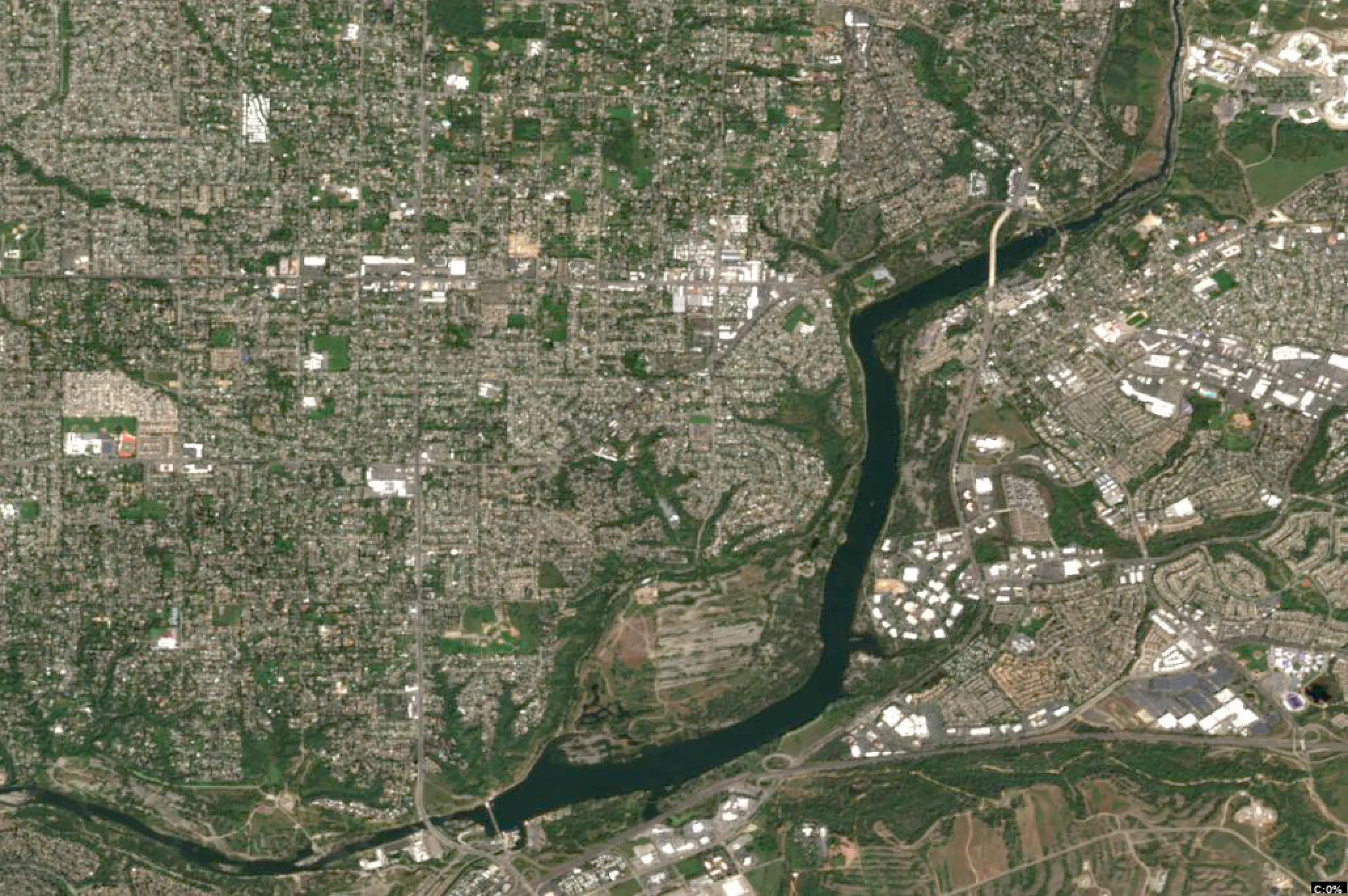
- Thermal imagery (May 27) shows a 81–83°F warm plume concentrated in the southwest corner, with a sharp break to 72°F water. Predators patrol that edge, pushing baitfish against the temperature wall.
- Water is 72°F – optimal for both largemouth and smallmouth, and the 4.1°F warming trend over recent weeks has fish moving shallow and feeding aggressively.
- Clarity imagery (historic but still relative) shows high suspended sediment in the western inflow/channel bends, meaning fish rely on vibration and sound. A chatterbait’s thump cuts through that stain.
- Falling pressure (30.00 inHg and dropping) pushed fish into a pre-frontal feed. The major solunar window 8:34–11:04 AM overlaps with light 3 mph wind, making that the best three-hour bite window.
START HERE Launch and run to the southwestern end of the lake, where the shoreline opens into the widest basin. Look for the thermal plume edge: warmer, slightly different color water (81°F+ in the shallow back, meeting the 72°F main body). Focus any point, dock line, or channel swing that sits on that transition zone. The thermal imagery shows the sharpest gradient right where the warm backwater spills into the main lake.
THROW THIS
- Primary: 3/8oz Z-Man ChatterBait in white/chartreuse. Retrieve steady with occasional rod-pause to let it fall. That vibration plus flash is exactly what stained water fish track.
- Backup bait: 5/16oz football finesse jig in black/blue. Deadstick it on the bottom or hop slowly. Fish that won’t chase the chatterbait will pick this up—especially smallmouth holding in 8–12 feet near the break.
BEST WINDOW Be on the southwestern thermal edge by 8:00 AM sharp. The solunar major from 8:34–11:04 AM coincides with 3 mph wind and rising sun warming the top few feet. Fish will be most active from first light through late morning. By 11:00 AM the bite will taper as sun gets high and the warm plume pushes fish deeper.
NEXT MOVE If the southwestern break dies after 45 minutes with no blowups or follows, abandon the warm water. Run north to the narrow upper channel (visible on satellite as the tight, winding section). This area holds deeper, cooler 69–72°F water and more consistent current. Downsize to a weightless stickbait (bone) or drop-shot a 4.5" finesse worm in green pumpkin. Work slow along the dark serpentine channel edges. The cooler refuge will hold the fish that got pushed off the hot flats.