Pyramid Lake Fishing Report
|Pyramid Lake, CA
79% confidence 72°F Clear
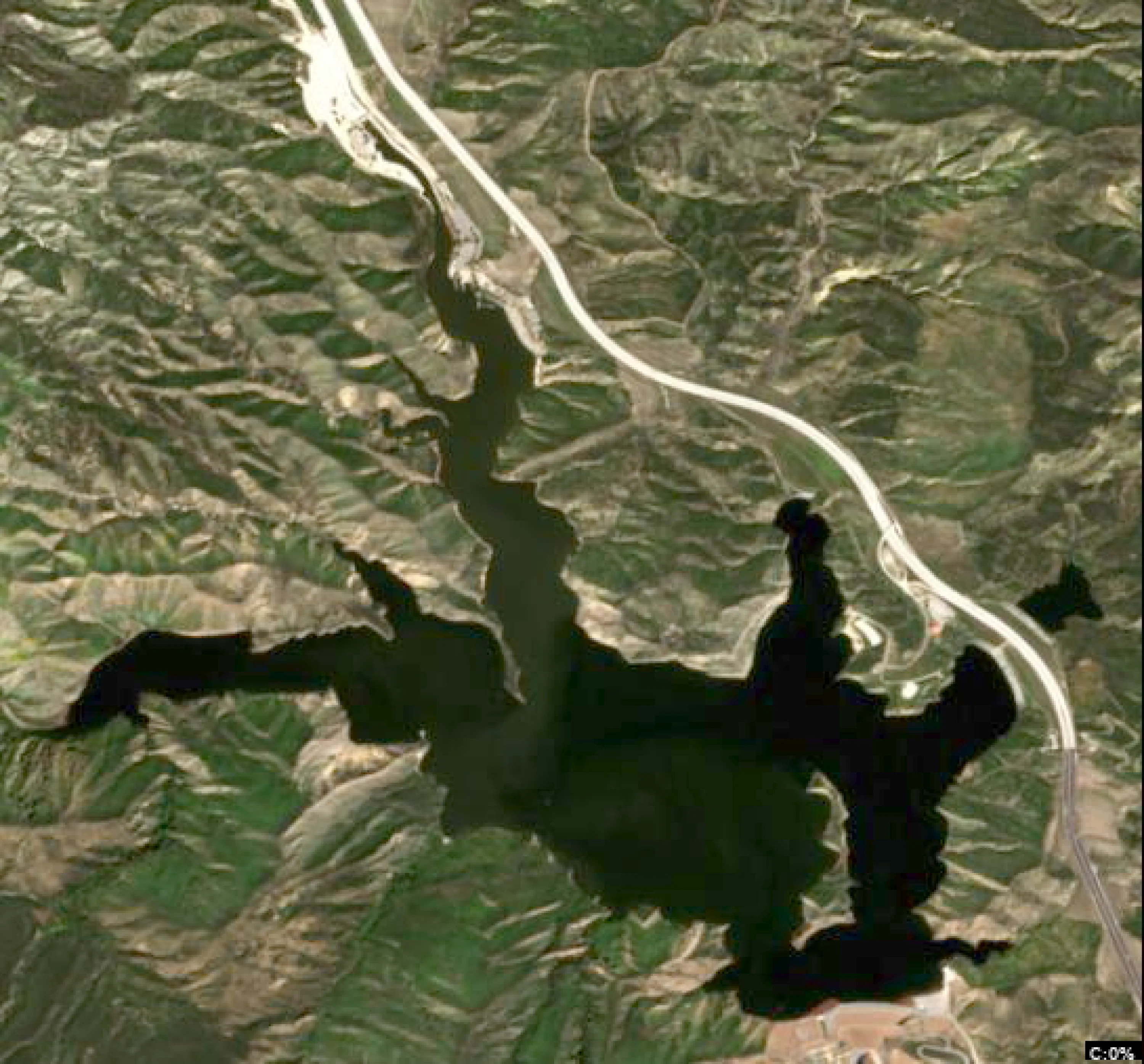
The satellite structure shows this as a prime funnel, and the 72°F water there is stable and likely holding fish that aren’t keyed on the thermal anomaly.
comprehensive plan Analyze Past Water Temperature Analyze Species Behavior Analyze Solunar Timing Analyze Hourly Conditions Analyze Weather Conditions Lure Matrix Wind Clarity
Channel catfishBlack crappieBluegillGarRainbow troutLargemouth bassSmallmouth bassStriped bass
THE CALL: Fish the thermal edge in the southeastern basin this morning from 7:45 to 9:30 AM with a white/chartreuse chatterbait or swim jig, then shift to the afternoon major window from 3:30 to 6:00 PM on the same zone with a topwater walking bait.
WHY IT WINS
- Thermal edge is the magnet: The May 15 thermal imagery shows a concentrated 87°F plume meeting the main lake at 72°F. Predators patrol that interface to ambush bait disoriented by the temperature gradient. That’s your highest-percentage water right now.
- Stained water + wind = reaction bite: Clarity analysis confirms the southeastern basin is stained with high biological productivity. The current 10 mph NW wind pushes bait and oxygen into that zone, making a chatterbait or swim jig the perfect search tool to trigger aggressive post-spawn fish.
- Post-spawn fish are feeding up and feeding up: Largemouth and smallmouth are active in 72°F water, recovering from spawn and keyed on structure and cover. The cooling trend (−20.9°F over recent readings) shortens feeding windows, so you need to hit the best windows hard—the minor solunar this morning (7:51–9:21 AM) and the major this afternoon (3:33–6:03 PM) are your two best bets.
START HERE
- The southeastern basin thermal edge: Head to the southern/eastern portion of the lake where the clarity map shows the highest chlorophyll and the thermal imagery pinpoints the 87°F anomaly. Look for the visible transition line where stained, productive water meets the clearer main lake. The wind is blowing from the NW, so the wind-blown bank on the south and east shores will concentrate bait and fish right on that edge.
- Landmark: From the main lake, run toward the large protected cove area in the bottom-right section of the satellite image (the southeastern arm). The thermal plume is likely near a shallow flat or inflow there. If you see a distinct color change on the surface or a temperature break on your graph, you’re in the zone.
THROW THIS
- Primary: 3/8 to 1/2 oz chatterbait or swim jig in white/chartreuse. The stained water demands vibration and contrast. Burn it along the thermal edge, then slow-roll it on the cooler side. Make contact with any hard bottom, rock, or scattered cover you find.
- Backup: Topwater walking bait (bone or shad pattern) for the low-light morning window and the afternoon major. Post-spawn fish will crush a topwater when they’re roaming the edge. If the chatterbait gets follows but no commits, switch to the walking bait and work it with long pauses over the transition.
BEST WINDOW
- This morning, 7:45–9:30 AM: The minor solunar window (7:51–9:21 AM) aligns with the first light bite and the wind starting to build. Be on the thermal edge by 7:45. The fish will be most aggressive during this 90-minute window.
- This afternoon, 3:30–6:00 PM: The major solunar (3:33–6:33–6:03 PM) is your second peak. The wind may calm, but the feeding intensity will spike. Switch to the topwater or a slow-rolled chatterbait along the same edge.
NEXT MOVE
- If the thermal edge is dead after 45 minutes of hard fishing (no bites, no bait, no marks), slide to the western arm entrance—the narrow neck where the main body funnels into the long western finger. That’s a natural migration corridor for post-spawn fish moving between deep and shallow water. Fish the points and channel edges with a deep-diving crankbait or a football jig. The satellite structure shows this as a prime funnel, and the 72°F water there is stable and likely holding fish that aren’t keyed on the thermal anomaly.