Union Reservoir Fishing Report
This is where fish may be seeking thermal relief or spawning adjacent cover.
THE CALL
Hit the northeast developed point first with a white/chartreuse chatterbait from 1:00 to 2:30 PM. The cooling trend (62°F, down 11.9°F) has fish staging on the first break near shallow structure, and the thermal edge along the western basin is pulling bait into the transition zone. The major solunar window at 1:22 PM aligns with light wind and low pressure—prime conditions for a reaction bite.
WHY IT WINS
- Temperature + Trend: 62°F is prime pre-spawn/spawn water, but the cooling trend (-11.9°F) means fish are holding tight to the first drop-off rather than committing shallow. The northeast point’s color transition (light tan to medium green) marks that exact ledge.
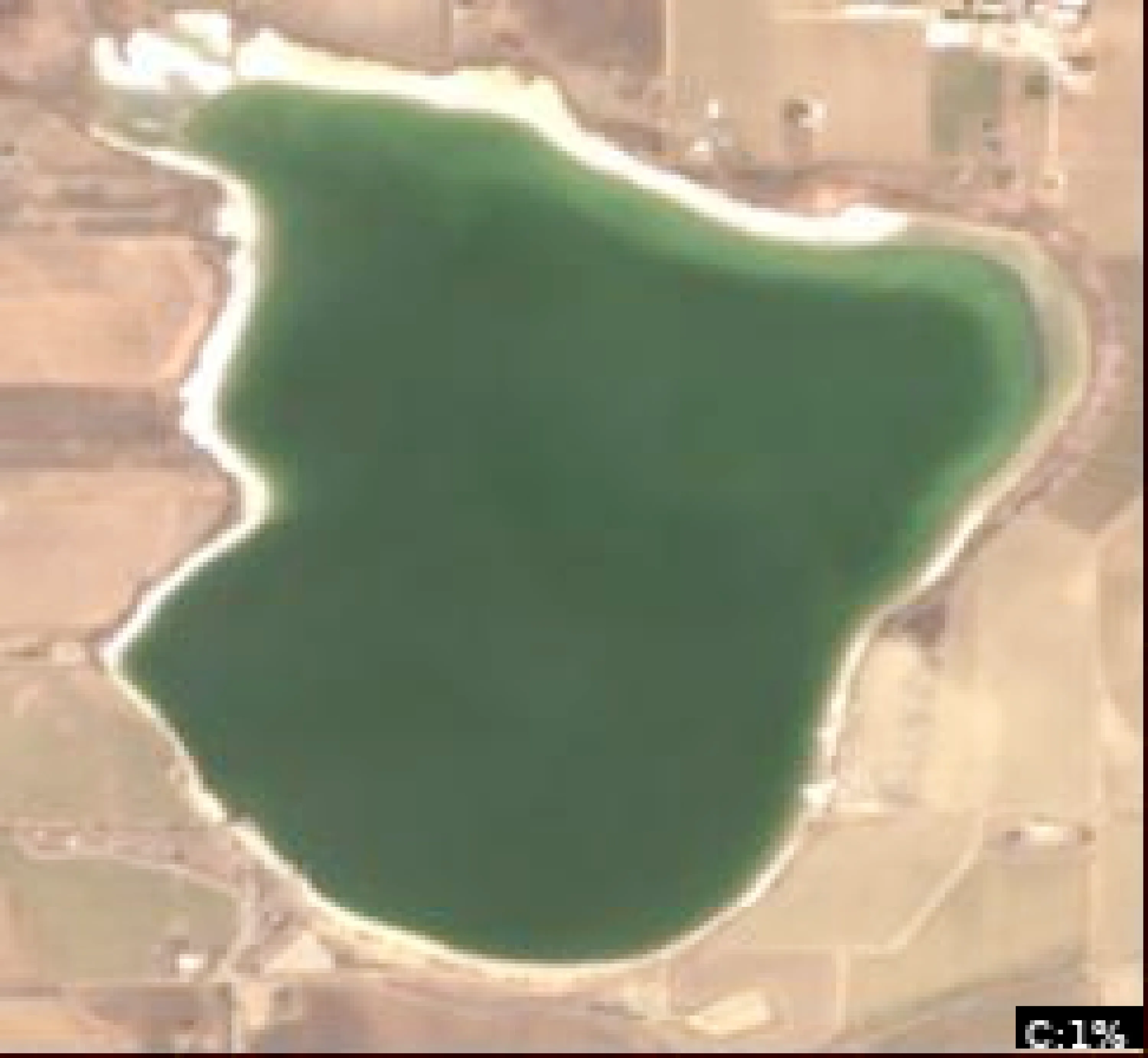
- Thermal Edge: The May 13 thermal image shows a sharp 81–84°F core in the main basin, with cooler water along the western and northern edges. Fish are patrolling those “thermal walls” to ambush bait moving between temperature zones. The northeast point sits on the northern edge of that gradient.
- Clarity + Wind: Historical clarity data (March) shows stained, productive water—fish rely on vibration and silhouette. A 5.5 mph north wind pushes surface debris and bait into the northeast shoreline, concentrating the feeding lane.
- Timing: The 1:00–2:30 PM window scores 85/100 in hourly conditions: light 4 mph wind, low pressure, and a major solunar peak. That’s the day’s best overlap of weather and moon.
START HERE
Northeast Developed Point – From the center of the lake, head northeast toward the visible structures/buildings on the shoreline. You’ll see a color change from light tan (very shallow, 0–6 ft) to medium green (moderate depth). That transition is a ledge or drop-off where bass are staging. Cast parallel to the shoreline, working the edge where the color darkens.
THROW THIS
Primary: 1/2 oz chatterbait in white/chartreuse. Retrieve steady and medium-fast, keeping the blade ticking the bottom. The vibration cuts through the stained water and triggers reaction strikes from fish holding on the ledge.
Backup: Texas-rigged creature bait (green pumpkin, 3/8 oz weight) – pitch to any visible cover (docks, rocks, laydowns) along the same shoreline. If the chatterbait draws followers but no commits, slow down with the creature bait.
BEST WINDOW
1:00 PM – 2:30 PM – Major solunar (12:18–2:48 PM) plus light wind and low pressure. The bite should peak around 1:30 PM. If you can only fish one hour, make it 1:00–2:00 PM.
NEXT MOVE
If the northeast point is dead after 30–45 minutes (no bites, no bait activity), slide to the western shoreline thermal edge. Find the indentations/small coves on the west side where the satellite shows light tan flats (0–6 ft). The thermal image shows a sharp temperature break here (51–83°F meeting 84°F core). Slow down with the Texas-rig creature bait or a 1/4 oz Ned rig (green pumpkin) and work the shallow flats methodically. This is where fish may be seeking thermal relief or spawning adjacent cover.