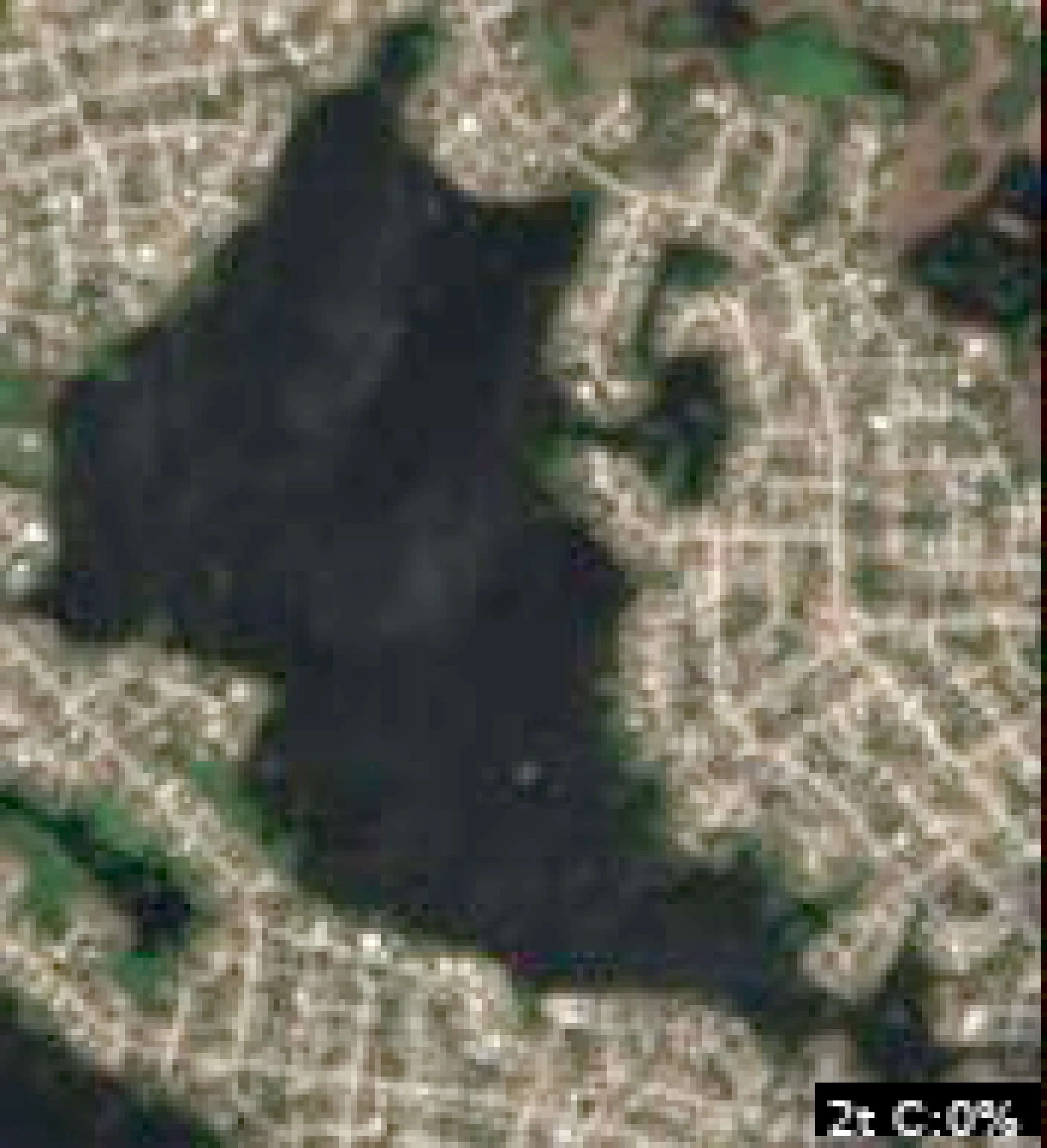
Willow Creek Reservoir Fishing Report
If rain intensifies past drizzle, get off the water.
Willow Creek Reservoir Fishing Report
The call: Start on a legally accessible shoreline edge you can verify on site this evening, 5:00–7:00 PM EDT, throwing a chartreuse/black Colorado spinnerbait for largemouth bass. The surface is 85°F (cooling −11.8°F over 2 readings), moderate 8–9 mph wind helps a vibration bait, and the solunar major hypothesis (05:37–08:07 PM) overlaps your controllable window—but treat the window as a timing test, not a bite guarantee.
Why it wins:
- Surface temperature 85°F measured today (LakeMonster LST forecast, 09/01/2026) is above the bass reference range; the cooling trend suggests a possible post-heat feeding window, but that’s a pattern hypothesis, not an observation.
- Moderate wind (8–9 mph, manageable) with rain risk dropping from 32% to 24% favors a search bait that fish can track by vibration.
- The hourly control score is highest at 5:00–7:00 PM EDT; pressure is falling moderate—context only, not a depth or lure call.
Start here: No mapped spot evidence is available. Pick a legally accessible area on the water where you can verify the shoreline with your eyes or electronics. Look for any visible edge—a weed line, fallen timber, rock pile, or depth change you can confirm on site. Do not assume cover from satellite or general knowledge. Make your first casts parallel to that edge, covering water with a steady retrieve.
Throw this:
- Primary: Colorado spinnerbait, 3/8 oz, chartreuse with black skirt, single Colorado blade. Retrieve steady enough to feel the blade thump, vary speed until you find the cadence that gets hit. The moderate wind and unknown clarity make vibration your primary attractant.
- Backup: Wide-wobble crankbait, medium-diver (runs 4–8 ft), chartreuse/black. Cast to the same edge and crank at a pace that ticks bottom or structure if you verify a hard bottom.
If you don’t get a strike in the first 30 minutes, switch to a big Texas-rigged worm (plum, 10-inch) fished slow and along the same edge. That gives you a different cadence and scent trail to test whether fish want a slower meal. Alternatively, if you’re after channel catfish (within temperature range at 85°F), bottom fish a cut bait or stink bait in the same general area—but that’s a separate presentation, not an adjustment to the same rod.
Best window: Be on the water by 5:00 PM EDT and fish hard until 7:00 PM EDT. The 6:00 PM hour has the best combo of manageable 9 mph wind and 24% rain risk with a solunar major period that is a timing hypothesis, not proof. Leave before any thunder or lightning approaches; check the official radar before launching.
Next move: If the edge pattern is dead after a full hour (no strikes, follows, or visible bait activity), move to another legally accessible shoreline edge you verify on site. Do not go offshore without electronics confirming a depth break or thermocline—none of that is assumed here. If the wind dies to calm, downsize to a lighter spinnerbait or switch to a weightless fluke. If rain intensifies past drizzle, get off the water.