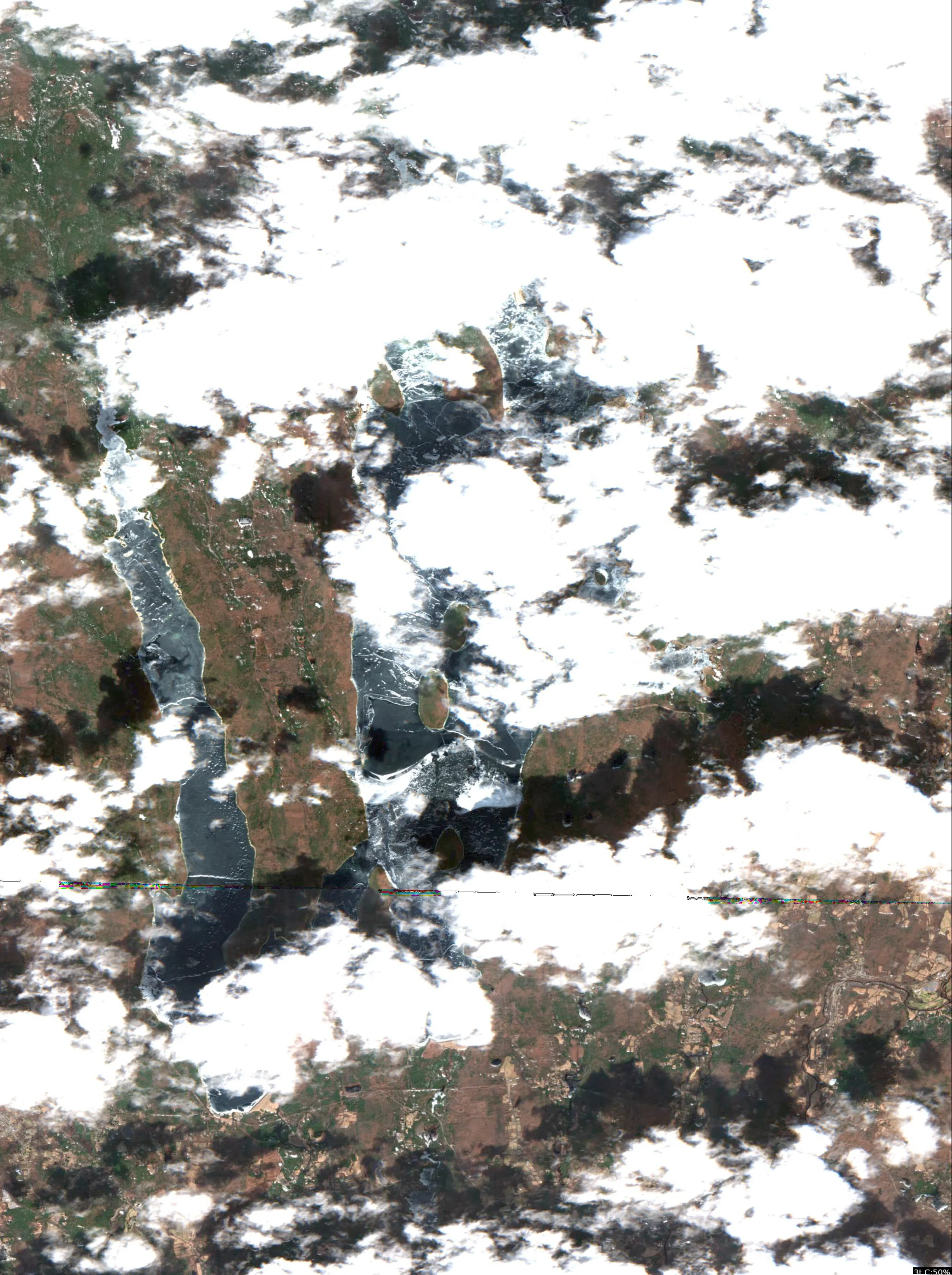
Quabbin Reservoir Fishing Report
The still water forces a finesse approach, and the drop-shot covers the suspended zone smallmouth may hold in after the morning cool-off.
THE CALL: Target smallmouth on wind-swept, hard-bottom edges you verify on-site, using a 1/4-oz green-pumpkin tube jig slow-hopped through the 12:00–2:00 PM EDT window when boat control is most manageable.
WHY IT WINS
- Forecast wind holds at manageable 5–6 mph from noon through 2 PM—enough to push surface plankton and crayfish toward a bank without making control a fight. That sets up a reaction or opportunity-feed scenario if you find the right edge.
- Partly cloudy sky (high 76°F) keeps midday light intensity moderate, extending the window for a shallow-to-mid-depth tube presentation without fish pinning tight to shade.
- Smallmouth are a confirmed listed species with jigs and tube baits in their reference profile—this is the best tactical fit for the moderate-wind, clean-presentation conditions.
START HERE
No mapped spot evidence is available for Quabbin. Start in a legally accessible area you verify on the water where the forecast wind direction is blowing directly into a hard-bottom bank (cobble, gravel, or bedrock). Scout a 300–500-yard stretch with electronics or polarized glasses. The wind today comes from the northwest; if you can confirm a northwest-facing shoreline with scattered rock, that’s your primary candidate.
THROW THIS
- Primary: 1/4-oz green-pumpkin tube jig with a 1/0 internal hook, Texas-rigged. Cast into the wind, let it sink on a semi-slack line, hop it twice, then let it pendulum back to the boat. Work the edge of the wind lane, not the dead center.
- Backup: 3.8″ green-pumpkin senko-style stickbait, weightless, wacky-rigged. Cast to the same bank and let it fall on a tight line—dead-stick it for 15 seconds before a slow retrieve. Switch to this if the tube produces follows but no commits.
BEST WINDOW
12:00 PM – 2:00 PM EDT. This is the highest-ranked control window (6–7 mph wind, no rain or storm risk) and overlaps part of the major solunar timing hypothesis (1:23 PM – 3:53 PM). The solunar is an unscored hypothesis, not a bite forecast, but the combined manageable wind and midday light make it the most productive-possible period to execute the plan.
NEXT MOVE
If the wind-swept bank gives nothing after 30 minutes of quality casts, move to the nearest calm-water edge with visible depth change (6–12 ft transition) and switch to the drop-shot rig: a 1/8-oz weight with a 4″ finesse worm in a natural shad color. Slow-hop it while keeping bottom contact. The still water forces a finesse approach, and the drop-shot covers the suspended zone smallmouth may hold in after the morning cool-off.