Brewer Lake Fishing Report
If you want better population intel, call the ND Game and Fish Department region office—they can tell you if Brewer gets annual walleye stockings or if crappie is self-sustaining.
I can't give you an exact count—Brewer Lake doesn't have a published creel survey or stocking record in my data. What I can tell you is what the lake conditions say about where they are and how to catch them right now.
CRAPPIE
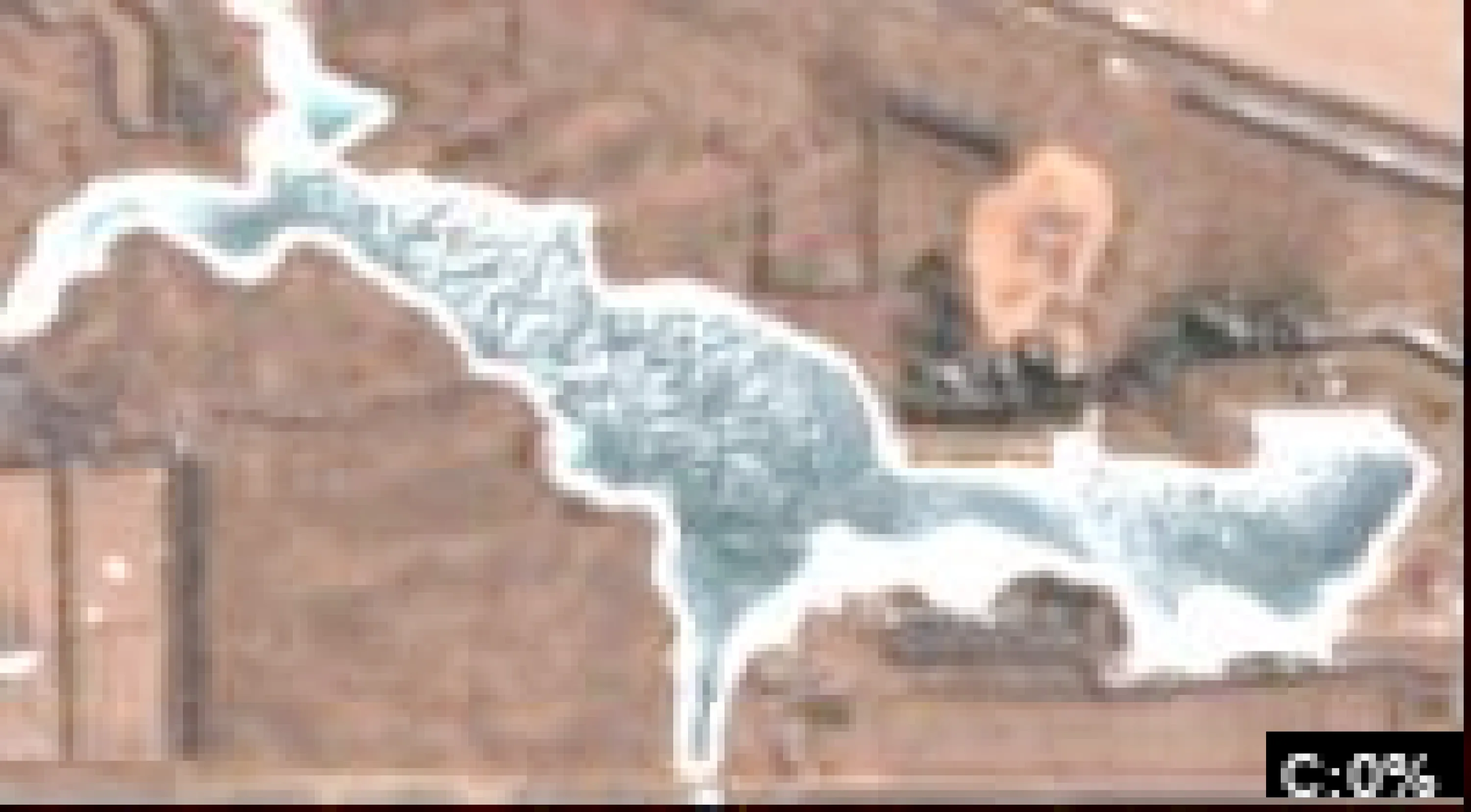
The thermal analysis shows warmer water concentrated in the northwestern inlets and coves, and the clarity analysis indicates high biological productivity in the eastern basin. Crappie love that combo. At 69°F with cooling trend, they're likely suspended in 8–12 ft near the central basin transition zone where stained water meets clearer edges, or tight to the docks on the eastern shoreline where shade and brush hold them.
Best approach: 1/16-oz jig (white/chartreuse or black/chartreuse) under a slip float or cast vertically around those docks and brush. If you mark fish suspended over deeper water, drop a 1/32-oz jig with a 2-in tube.
WALLEYE
Walleye in a small prairie lake like this at 69°F with recent cooling will slide to the deepest basin edges and the channel bend near the western "neck". The structure map shows a defined narrowing between the western arm and main body—that's a classic walleye travel corridor. They'll be on the drop from 8–15 ft into the main basin (31 ft max), especially near rock or gravel transitions.
Best approach: 1/4-oz jig tipped with a minnow or 3/8-oz bottom bouncer with a crawler harness, slow-trolled along the break. Or cast a shallow-diving minnow bait (like a #5 Shad Rap in perch or firetiger) and count it down to 6–8 ft, slow-rolling it parallel to the drop.
If you want better population intel, call the ND Game and Fish Department region office—they can tell you if Brewer gets annual walleye stockings or if crappie is self-sustaining.