BOX BUTTE RESERVOIR – FISHING REPORT
If that’s still dead, run to the dam area and work the riprap with a jerkbait or a jig for white bass.
BOX BUTTE RESERVOIR – FISHING REPORT
THE CALL: Hit the western channel bends from 11:50 AM to 2:20 PM with a chartreuse/white vibrating jig or spinnerbait slammed into the wind-blown north shore, then switch to a stink bait on a bottom rig if the reaction bite fades. The target is channel catfish – they’re the most active fish at 76°F and the cooling trend has them feeding in short, concentrated windows.
WHY IT WINS
- Water temp 76°F is the sweet spot for channel catfish (optimal 65–85°F), and the cooling trend over the last 47 readings (–2.8°F) pushes them into a predictable, aggressive feeding window rather than a long, drawn-out day.
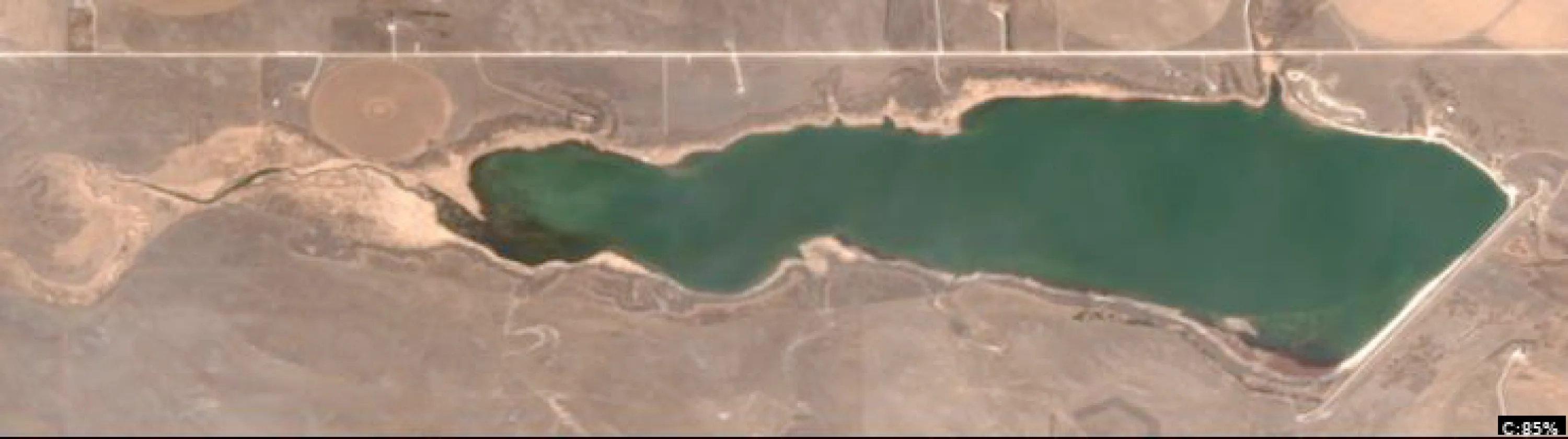
- Thermal imagery shows the western basin is the coolest part of the lake (83°F surface vs 87°F east), giving fish a thermal refuge that’s still within the active zone. The actual lake average is 76°F, so subsurface temps are even better.
- Strong south wind (18 mph) will pile bait against the north shore of the western arm, creating a wind-blown, oxygenated edge where catfish love to cruise. The stained water from the inflow (high turbidity, low visibility) forces them to hunt by vibration and scent – perfect for a loud spinnerbait or a smelly bait.
- Major solunar window (11:50 AM–2:20 PM) lines up with the best hourly conditions – wind 8–11 mph, stable pressure, zero rain risk. The moon is waning crescent, rating 4/5 today.
START HERE
Work the western channel bends where the dirty inflow water meets the slightly clearer main lake. Look for the sharp color change from tan/green to medium blue – that seam is a feeding corridor. The north shore of the western arm will be wind-blown and should hold the most active fish. If you can see the submerged channel edge on your electronics, focus on the 8–12 ft depth range where the flat drops into the basin.
THROW THIS
- Primary bait: ½ oz vibrating jig (chatterbait) in chartreuse/white with a chunk trailer, or a ⅜ oz spinnerbait with a Colorado blade in the same colors. Burn it along the bank, let it bump bottom, and keep it moving. The vibration cuts through the muddy water.
- Backup bait: If the reaction bite is slow after 30 minutes, switch to a deep-diving crankbait (shad pattern, natural) to cover the 10–15 ft break, or a Carolina rig with a 4" plum worm.
- Catfish killer: Once you find fish, drop a stink bait (or cut bait where legal) on a bottom rig with a 1 oz sinker right in the channel bend. Let it sit and wait.
BEST WINDOW
Be on the water by 11:30 AM. The 11:50 AM–2:20 PM major solunar is your prime window. The south wind will be holding steady all day, so the north shore banks will stay active. If you hit it right, you’ll catch a flurry from noon to 1:30 PM.
NEXT MOVE
If the western channel bends are dead after a full hour, pull off and run to the main lake deep transition (center-east, where the color shifts from medium blue to dark blue). That drop-off is the thermal refuge for walleye and white bass. Drop a deep crankbait or big worm in shad/plum and work the 15–20 ft break. Slow down your retrieve and let the bait sit on the bottom for 5–10 seconds between cranks. If that’s still dead, run to the dam area and work the riprap with a jerkbait or a jig for white bass.