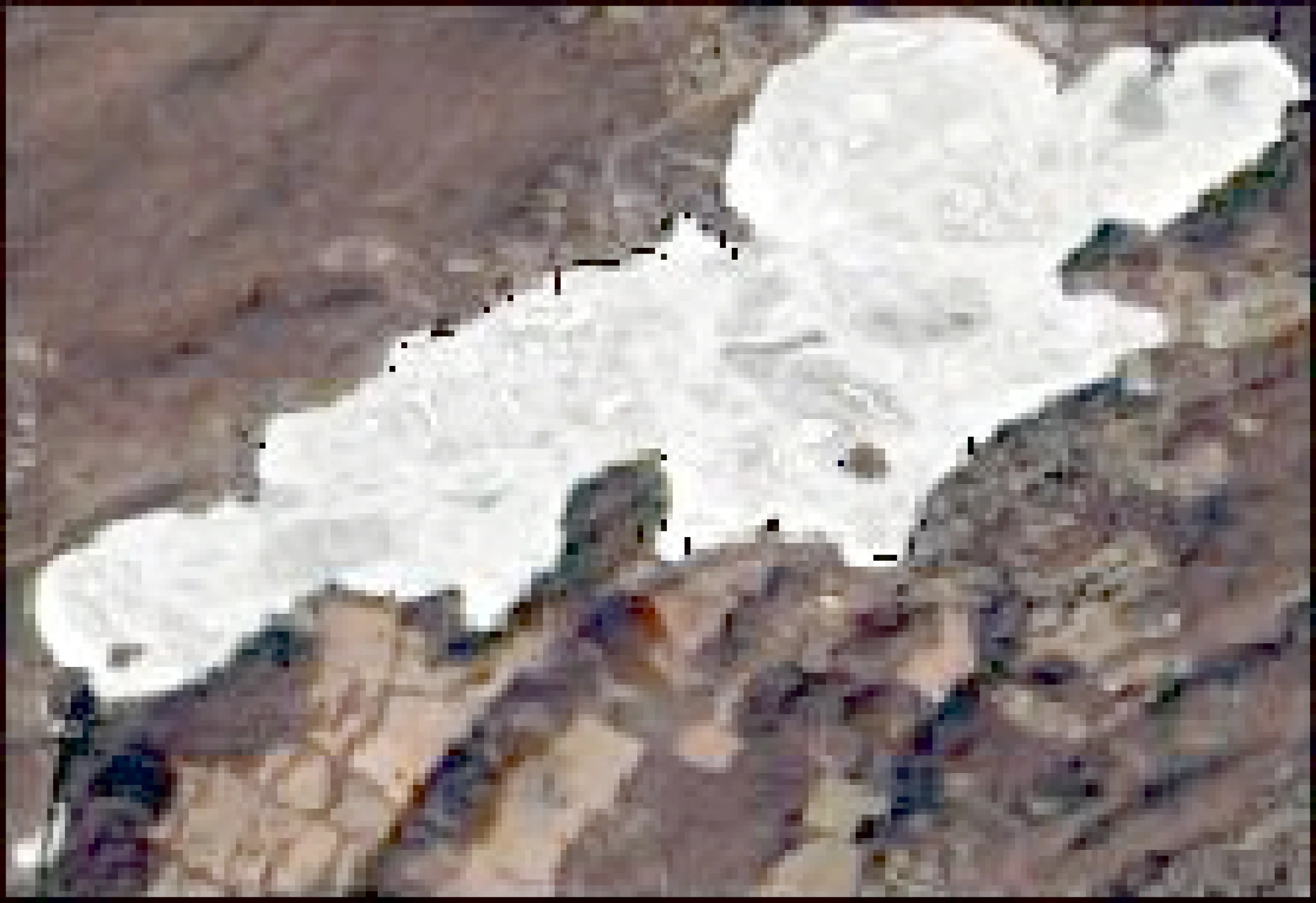
Swartswood Lake Fishing Report
That’s the backup ambush spot for post‑spawn fish that won’t chase.
Fish the northeast wind‑blown points and coves with a 1/2 oz white/chartreuse chatterbait from 4:30 PM to 6:30 PM tomorrow. Post‑spawn largemouth are pushing bait tight to the warmest water and stained clarity breaks, and the afternoon solunar window with falling pressure will get them to eat a moving bait.
WHY IT WINS
- Warm‑core position: The northeast basin holds the lake’s warmest surface water (current 72 °F, thermal shows a consistent warm mass up there). Post‑spawn fish follow bait into that zone and use the points and docks as ambush cover.
- Stained water = vibration bite: The lake is highly productive and stained, limiting visibility. Fish rely on lateral line detection, and the chatterbait’s vibration cuts through the murk. The clarity break near the central basin edge funnels active fish.
- Falling pressure + wind: Pressure is dropping (1018 mb →), which ramps up feeding aggression. The 8‑9 mph wind from the south‑southwest will push bait and create chop on those eastern/northeastern banks, activating the bite right through the major solunar window.
- Timing: The major feeding period 4:28 PM – 6:58 PM overlaps perfectly with the windy push and the warmest water. That’s the highest‑probability hour‑and‑a‑half you’ll get all day.
START HERE Head straight to the large northeastern arm of the lake. Look for the first main point that juts into the main basin, where residential docks are visible and the shoreline indents into a small cove. Position the boat so you can cast into the wind‑blown side of the point and along the dock line. Fish the edge where the stained cove water meets clearer basin water—that’s where bait stacks and predators wait.
THROW THIS
- Primary: 1/2 oz white/chartreuse JackHammer (or similar) chatterbait with a 4″ white paddletail trailer. Steady medium‑fast retrieve, ticking any dock pilings, overhanging limbs, or the drop‑off edge. When the bait deflects off a dock post, let it pause a half‑second before resuming.
- Backup in the pocket: If they short‑strike or boil, shrink the profile. Keep a 5″ green pumpkin Senko wacky‑rigged on a spinning rod. Pitch it to the same docks on the leeward side, let it fall on slack line, and shake it in place.
- If they ignore the chatterbait altogether: Slow down with a 3/8 oz black‑and‑blue swim jig with a blue craw trailer, crawling it slowly past the dock corners.
BEST WINDOW Be on that northeastern point by 4:30 PM tomorrow. The wind will be building to 8‑9 mph, and the major solunar window opens at 4:28 PM. The first hour of the window, combined with fresh wind current, is when the biggest fish fire. Keep grinding it until 6:30 PM, then the bite normally tapers as the solunar influence fades.
NEXT MOVE If you fish the entire northeastern point and cove thoroughly for 45 minutes with nothing but a few follow‑ups, move south. Run to the southern inflow/shoreline points where higher sediment loads create an obvious clarity break. Tie on a 7″ black‑blue flake Texas‑rigged worm with a 3/16 oz weight, and drag it slowly right along the transition line where the turbid water gives way to the clearer central basin. That’s the backup ambush spot for post‑spawn fish that won’t chase.