Lake Carlsbad Fishing Report – Tonight & Tomorrow Morning
|Lake Carlsbad, NM
74% confidence 86°F Clear
The cooling trend and 86°F water mean fish will retreat to the deepest stable cover by mid-morning.
comprehensive plan Analyze Past Water Temperature Analyze Species Behavior Analyze Solunar Timing Analyze Hourly Conditions Analyze Weather Conditions Lure Matrix Wind Clarity
White crappieChannel catfishBluegillRainbow troutLargemouth bass
Lake Carlsbad Fishing Report – Tonight & Tomorrow Morning
The call: Fish the wind-blown clarity transition edges off the main-lake points and creek-mouth bars tonight and early tomorrow, using a chatterbait or swim jig, then back off to deep structure humps and ledges midday when the sun gets high.
WHY THIS WINS
- Water temp is 86°F (cooling trend, typically 92°F this time of year) – fish are moving to stable deeper water but still willing to feed in low-light and wind-mixed zones.
- Stained water from the inflow channels means fish rely on vibration and silhouette. A 10 mph wind from the south (falling pressure) puts bait on the wind-blown banks and gives you a cover advantage.
- The evening minor solunar (7:26–8:56 PM) and the early morning minor (5:34–7:04 AM) align with the hourly best windows (11 PM tonight and 6 AM tomorrow), giving you two solid bite periods.
START HERE
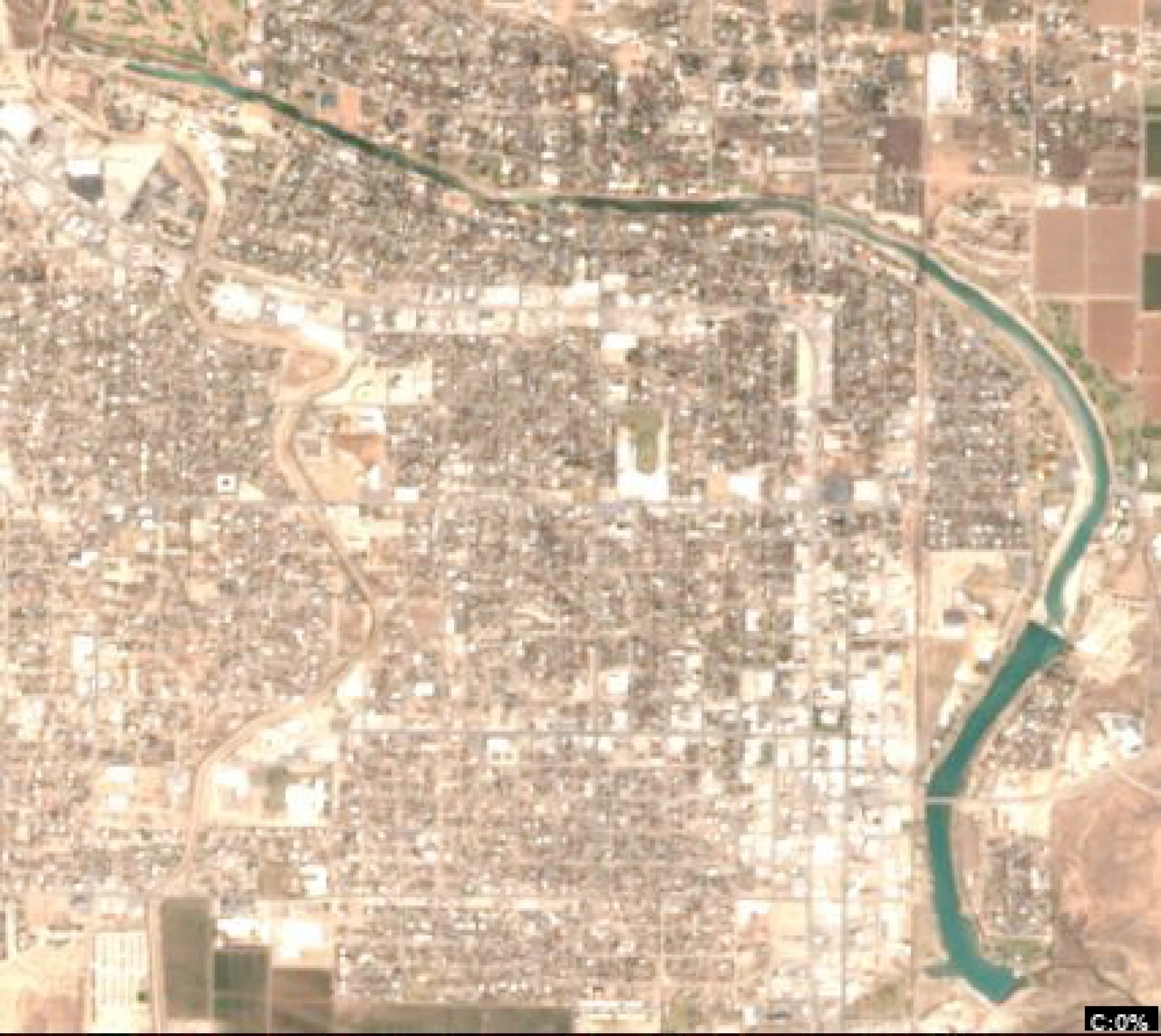
- North-end inflow channel at the mouth of the main creek arm – the western shoreline where the wind is pushing stained water against the first rock point that drops into 12–18 ft. The thermal imagery shows a distinct plume edge here where cooler inflows meet the main basin; that’s your baitfish alley.
- Backup: if the wind shifts, hit the southwest main-lake point where the sediment line meets clearer water – fish sit in the stain and ambush silhouettes.
THROW THIS
- 1/2-oz chatterbait in white/chartreuse – burn it along the wind-blown bank, then slow-roll it off the break. The vibration cuts the stain. Retrieve at a steady pace with occasional pauses.
- Backup bait: a 3/8-oz swim jig with a white/chartreuse trailer – same zones, but pitch it to the wind-seams and let it fall on a semi-slack line.
- If the topwater bite is dead: switch to a 1/2-oz deep crankbait in shad (like a Strike King 6XD) and work the offshore humps in 12–18 ft, bumping the bottom.
BEST WINDOW
- Tonight: 7:26 PM – 8:56 PM MDT (minor solunar + evening wind) – be on the north creek mouth by 7:00 PM. The wind will be dropping, but the stain and low light will extend the bite.
- Tomorrow morning: 5:34 AM – 7:04 AM MDT (minor solunar + light wind) – start on the same creek mouth, then slide to the southwest point as the sun rises.
NEXT MOVE
- If the shallow chatterbait pattern dies after 30 minutes of no bites, pull off the bank and fish the deep structure humps in 15–20 ft of water – the dark blue zones from the satellite imagery. Use a 1/2-oz football jig in green pumpkin or a 10-inch plum worm on a Carolina rig. Slow down, crawl it, and hold on for a channel catfish or a deep largemouth. The cooling trend and 86°F water mean fish will retreat to the deepest stable cover by mid-morning.