FORT LOUDOUN LAKE REPORT — MAY 31 PM / JUNE 1 AM
Slow down, work precise casts to the color change line, and fish it methodically until the afternoon major solunar at 2:08 PM.
FORT LOUDOUN LAKE REPORT — MAY 31 PM / JUNE 1 AM
THE CALL: Start the morning in the northern creek arms fishing the wind-blown clarity transition with a white/chartreuse chatterbait from 5:30 to 7:30 AM, targeting the first major creek mouth where a dark channel dumps into the main lake flat.
WHY IT WINS
- Cooling trend locks fish shallow. The lake dropped 22°F over recent readings and sits at 76°F now — fish are holding tight to protective cover in the backs of creeks, feeding up before heat settles.
- Full moon + minor solunar at dawn. The moon is full today, which pulled fish shallow for spawning and nighttime feeding. The minor solunar from 5:37–7:07 AM tomorrow triggers a short, aggressive window right at first light.
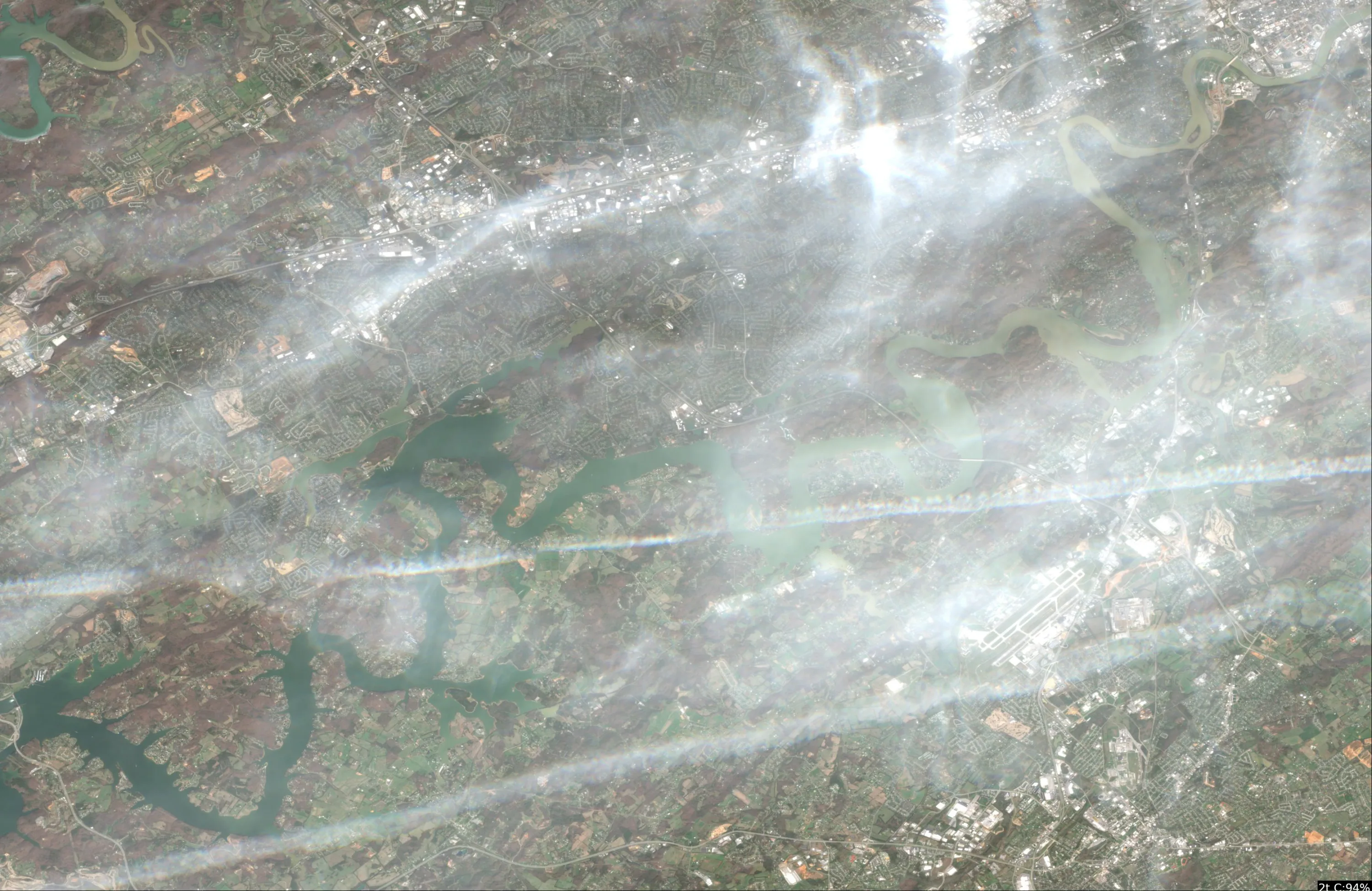
- Stained water demands vibration. Satellite imagery shows heavy suspended sediment in the northern arms, and the March clarity data confirms low visibility. A chatterbait’s thump allows fish to track without sight.
- Wind activates the edges. Tomorrow morning’s 6–7 mph wind will push bait into the windward banks, especially where stained creek water meets clearer main-lake water. That turbidity edge is the ambush zone.
START HERE
Northern upper arms — creek mouth at the first tight bend after the main lake narrows.
From satellite imagery, look for the dark serpentine channel line entering a wider flat with residential docks and shoreline vegetation. The color change from tan/green to darker blue marks the channel edge. Fish the wind-blown bank of that flat, where the inflow from the creek creates a muddy/slight clarity break.
THROW THIS
- Primary: 3/8 oz white/chartreuse chatterbait with a matching twin-tail trailer. Retrieve: slow-roll steady, just ticking the bottom or cover, with occasional one-second pauses. The vibration cuts the stain, and the white/chartreuse gives high contrast.
- Backup: A bone walking topwater or weightless super fluke in shad color for the first 30 minutes of low light. Work it over the same flats and point edges — post-spawn bass will come up for it before the sun gets high.
- If they short-strike or follow: Switch to a 1/2 oz black/blue jig with a chunky craw trailer. Drag it slowly through the same stain lines, letting it fall into cover pockets.
BEST WINDOW
5:30 AM to 7:30 AM local time — that’s the overlap of the minor solunar period, the low-light feed, and the ideal 6-mph wind. The full moon will have fish active from the night before, so the early morning should see a quick flurry. Be on the spot by 5:15.
NEXT MOVE
If the chatterbait bite dies after 7:30 (sun gets up, pressure steady, fish slide), relocate to the main lake eastern bend — the sweeping curve where the deep channel (dark blue) meets shallow flats (light tan/green) on the satellite image. Here, the thermal edge from the May 27 imagery shows a 85°F pocket nearby, but fish will be at 12–18 ft on the channel edge to escape the heat. Drop to a green pumpkin dropshot (4.5” worm) or a deep-diving crankbait (10–15 ft) running the channel taper. Slow down, work precise casts to the color change line, and fish it methodically until the afternoon major solunar at 2:08 PM.