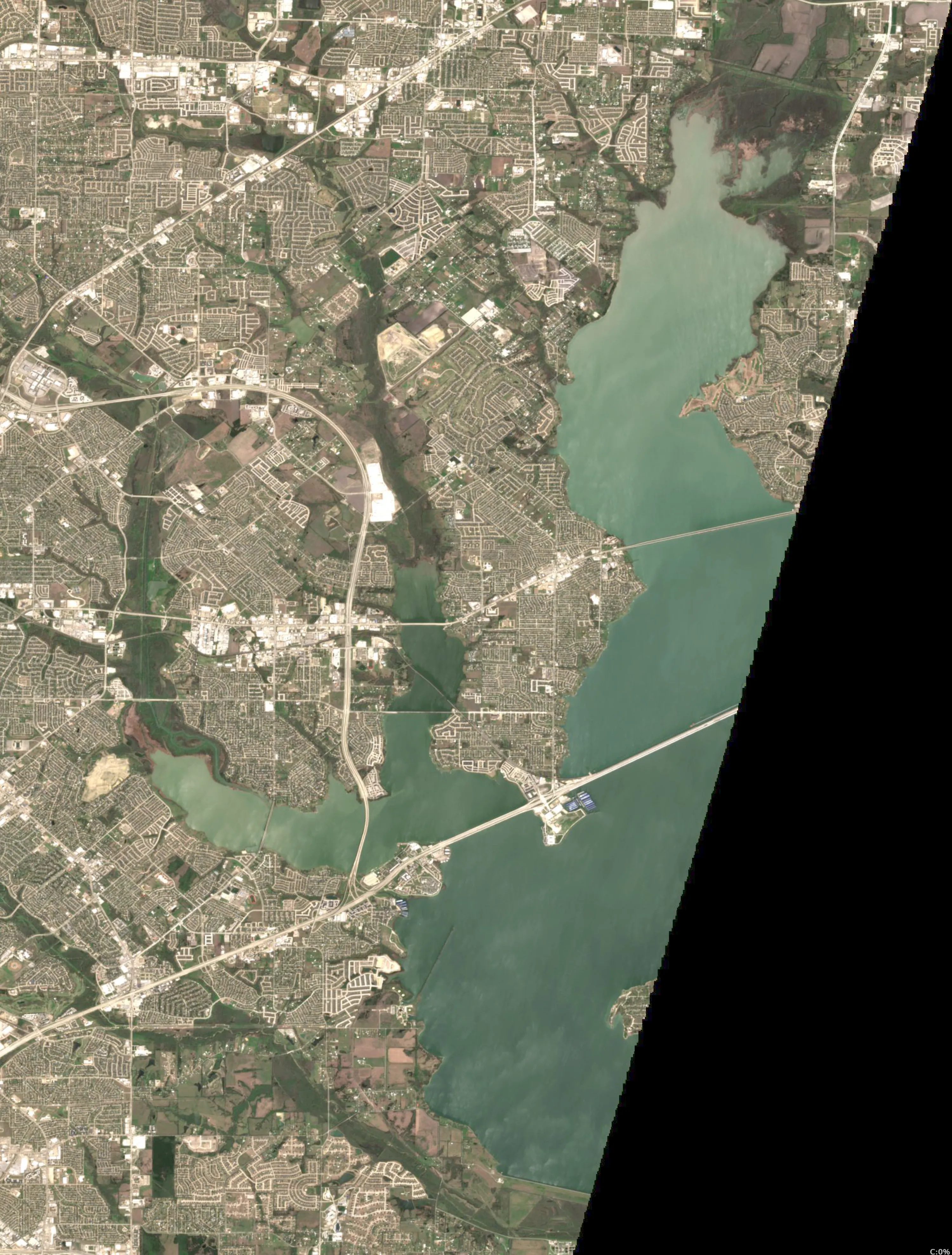
Lake Ray Hubbard Fishing Report
Change only one variable at a time — location or presentation, not both — until you get a response.
THE CALL: Target Largemouth bass on a slow-roll presentation near the first bank edge you can verify on site, starting at 10:26 AM.
WHY IT WINS:
- The lake-page modeled surface-water estimate of 77°F (stale, 214 hours old) sits above the Largemouth bass reference range (60-75°F), which is a temperature-fit heuristic, not a measured activity level. The historical trend is warming (Δ 9.7°F over 7 readings, avg 83.3°F), meaning the lake has been warm and stable through the fall transition.
- The forecast is calm (wind 2.6-3 mph, clear, high 85°F) — ideal for boat control and longer casts, letting you work a slow presentation methodically without fighting the boat.
- The major solunar period (10:26 AM - 12:56 PM) is a timing hypothesis only, but it aligns with the most manageable forecast control hours, giving you a defined test window with no weather interference.
START HERE: Pick the first legally accessible public access point you can verify on site. From there, work the nearest bank edge that holds visible cover — laydowns, rock piles, or dock posts you can confirm with your eyes or electronics. No mapped spot, named point, or shoreline orientation was verified by these tools; let on-water observation decide the exact target.
THROW THIS: Bladed jig or black-blue jig, black-blue or junebug, 3/8 oz. Slow-roll it just fast enough to feel the blade thump, or hop it with a 2-foot lift and drop near any cover you verify. The calm wind and unknown clarity favor a vibration-and-silhouette bait that fish can find without clear water. Backup: Big worm (plum or green pumpkin) on a 1/4-1/2 oz bullet weight; pitch it to the same cover if the jig draws no reaction.
BEST WINDOW: 10:26 AM to 12:56 PM. The forecast is calm and clear throughout, but this window brackets the major solunar timing hypothesis and gives you 2.5 hours of stable light-wind control to test the pattern. If the wind stays under 5 mph, extend through the afternoon minor solunar (4:54 PM - 6:24 PM) as a second timing hypothesis.
NEXT MOVE: If you get no strike, follow, or visible reaction after 30 minutes of covering water, switch to the big worm and slow-drag it through the same cover. If that also fails, move to a different bank edge with a different cover type (rock instead of wood, or vice versa) and repeat the slow-roll jig. Change only one variable at a time — location or presentation, not both — until you get a response.