Strawberry Reservoir Fishing Report
Check the solunar timer – if you’re between windows, expect a tougher bite.
Strawberry Reservoir – July 17, 2026
THE CALL
Fish the western shoreline thermal breaks from first light until 9:30 AM, then again from 3:18 PM to 5:48 PM. Primary target: cutthroat and rainbow trout holding on the 58–68°F edges where cooler pockets meet the 73°F main body. Run a ½-oz chatterbait or a 3/8-oz swim jig (white/chartreuse) along the turbidity transition lines. If that dies, slide deeper to the 69°F central/southern contours with a slow-rolled blade bait.
WHY IT WINS
- Measured water temp: 73.0°F, warming trend of +2.6°F over 47 readings (typical median ~68.1°F). This is 4.9°F above normal, pushing trout into thermal refuge.
- Measured pressure: currently 1010 mb (29.82 inHg) and rising. Rising pressure shortens the strike window, so you need to hit the solunar peaks hard.
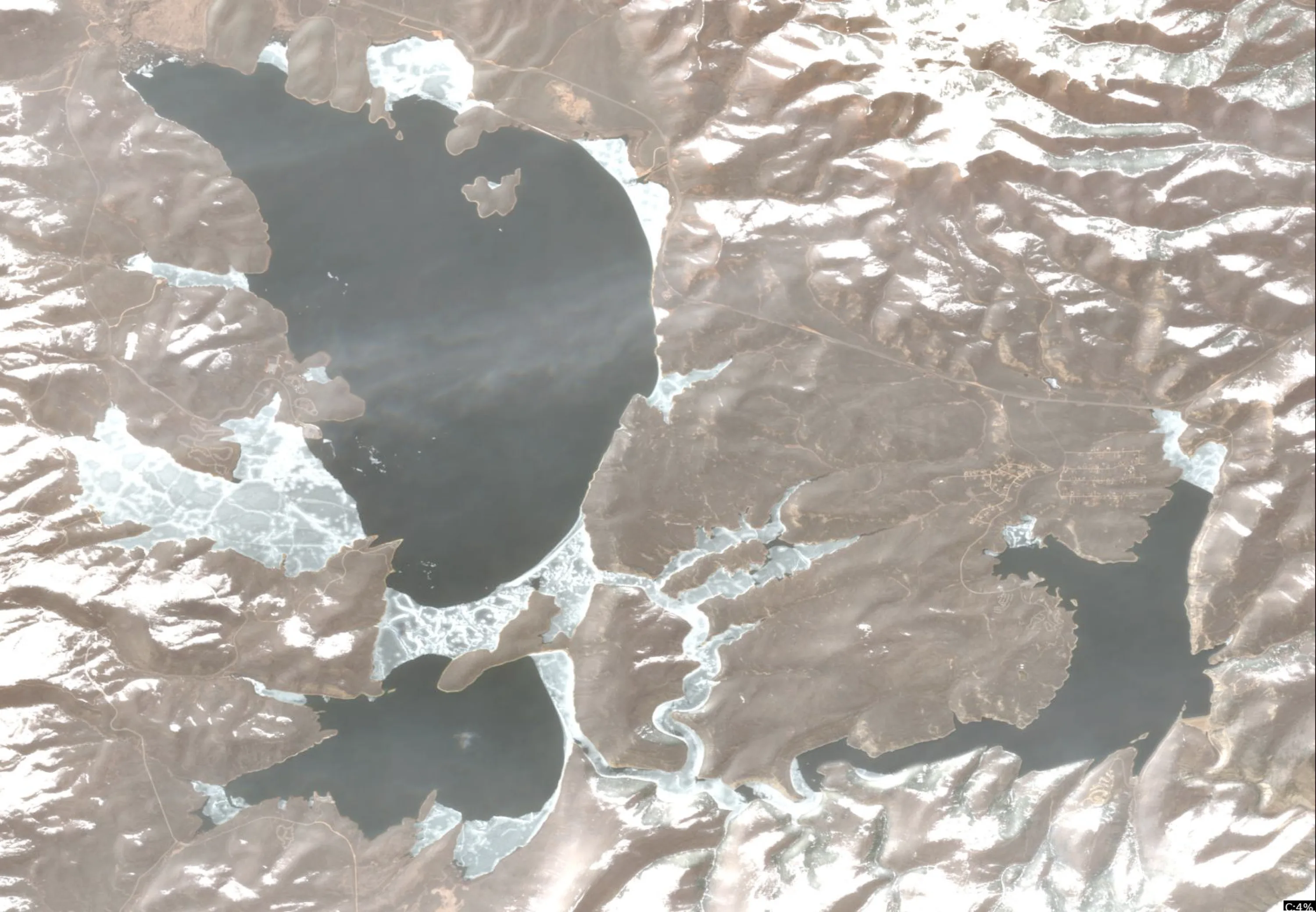
- Inferred from July 11 thermal imagery: western coves show 58–68°F surface water, a 10–15°F relief from the main basin. Fish will stack along that thermal break.
- Inferred from March clarity imagery: southern inflows create stained sediment plumes; the turbidity edge is a feeding lane where trout use vibration, not sight. Combine that with the wind-blown bank (9 mph this evening, likely similar tomorrow) and you get a perfect reaction-bite setup.
START HERE
Western shoreline coves – the first protected pocket north of the main dam, where deep water (dark blue on thermal) meets the 58–68°F band. Target the sharpest temperature transition, usually within 50–100 yards of the bank. Look for any creek inflow or shaded rock point – those are the coolest spots.
THROW THIS
- Primary: ½-oz Z-Man ChatterBait or 3/8-oz swim jig, white/chartreuse. Run it along the clarity edge with a steady moderate retrieve – let the blade do the work. The vibration cuts through the stained water.
- Backup: ¼-oz blade bait (silver/blue) slow-rolled or yo-yo’d in 15–25 feet if the reaction bite dies.
- If fish follow but won’t eat: switch to a 3.5” tube jig (green pumpkin) on a ¼-oz head, dragged slowly along the bottom on the 69°F contour.
BEST WINDOWS
- 8:17 AM – 9:47 AM (minor solunar) – light wind (2–3 mph), rising pressure, low sun angle. The thermal edge is still intact before midday heat. Start at 8:00 AM to be set up.
- 3:18 PM – 5:48 PM (major solunar) – wind picks up to 5–7 mph, which creates the best reaction-bait lanes. This is the longest, highest-probability window of the day.
WIND & WEATHER RISK
- Risk: Wind is forecast to stay under 10 mph, so no major issue. However, rising pressure means fish will shut down quickly after the solunar peaks. If the wind exceeds 15 mph, move to protected western pockets and throw a heavier chatterbait (¾ oz) to maintain bottom contact.
- Rain risk: None shown in the hourly data. Clear skies all day – expect bright sun after 10 AM, which will push fish deeper or tighter to shade. Use the two windows hard.
NEXT MOVE
If the western coves and thermal breaks are dead after 45 minutes of effort, relocate to the central/southern 69°F contours (mid-lake humps or the deep edge of the main basin). There, slow down with a jigging spoon or a 3.5” drop-shot worm (Aarons Magic) in 25–35 feet. The fish are still there, just less active and deeper. Check the solunar timer – if you’re between windows, expect a tougher bite.