## Fishing Plan for Strawberry Reservoir – Thursday, July 16, 2026
Drop down to a **1/4 oz spoon or jerkbait** and slow your retrieve – fish here will be less aggressive and deeper (15–20 ft).
Fishing Plan for Strawberry Reservoir – Thursday, July 16, 2026
THE CALL
Target Rainbow and Cutthroat trout holding on the thermal refuge edge along the western shoreline and coves, where 58–68°F water meets the 73°F main lake. Fish the afternoon major solunar window (3:00–5:48 PM) as the primary window, with the early morning minor window (7:00–9:00 AM) as a solid backup. Use a chartreuse/shad spinnerbait or vibrating jig to cover wind-blown stained edges.
WHY IT WINS
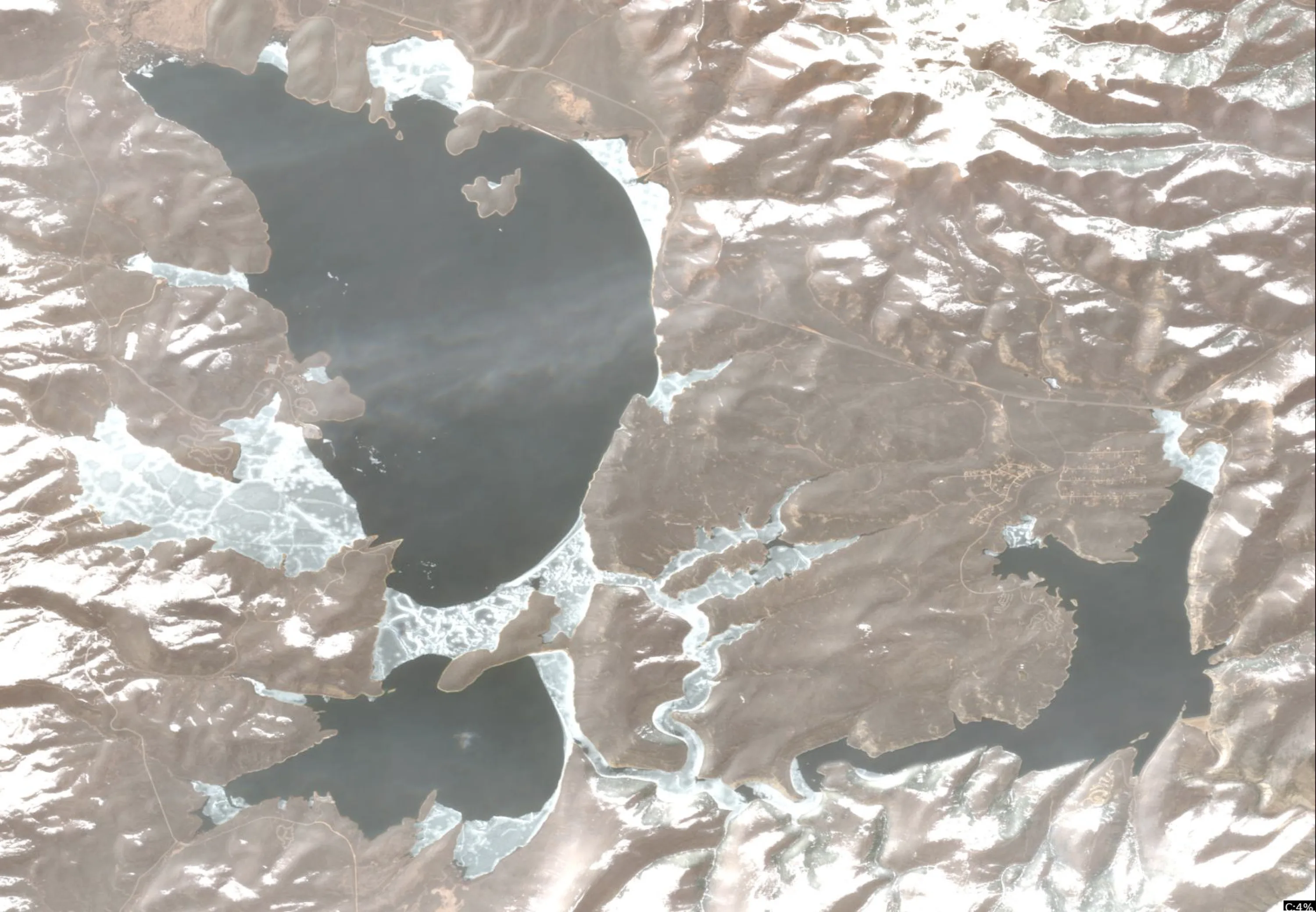
- Measured: Lake surface temp is 73.0°F (warming trend +2.6°F). Thermal imagery from July 11 shows a distinct 58–68°F band hugging the western shore – this is the only cooler water in the lake.
- Measured: Hourly forecast for tomorrow shows 8–12 mph wind during both prime windows, creating ideal chop and oxygen mixing. Light rain possible in the morning – that can extend the bite.
- Inferred: Trout (Rainbow and Cutthroat) are stressed at 73°F and will seek thermal refuge. They’ll hold right along the temperature break, waiting for bait to cross. The stained water from southern inflows (historical clarity image) means vibration baits will get more strikes than subtle finesse offerings.
PRIME TIME WINDOWS
- Afternoon: 3:00 PM – 5:48 PM – Major solunar overlap with 8 mph wind and stable pressure. This is the highest-scoring window (85/100). Measured hourly data confirms ideal conditions.
- Morning: 7:00 AM – 9:00 AM – Minor solunar window with 8–12 mph wind and light rain chance (80/100). The rain will mask line and noise, extending the low-light feeding period.
WIND & WEATHER RISK
Current wind is 28 mph (measured), but the hourly forecast for tomorrow shows it dropping to 8–12 mph during both windows. If the wind holds above 20 mph, shift to protected pockets inside the western coves and use a 3/4 oz vibrating jig to maintain bottom contact. Pressure is rising (measured 1011 mb), which typically shortens strike windows – so capitalize on the exact solunar peaks and don’t linger after the window closes.
START HERE
Western shoreline and coves – specifically the transition zones where the cooler water (58–68°F from thermal imagery) meets the main lake. Look for any visible inflow, shaded bank, or wind-chopped edge. The thermal break is the key: fish the 10–15 ft depth range where the cooler water mixes with the warmer basin.
THROW THIS
- Primary: 1/2 oz spinnerbait (chartreuse/white double willow) or 3/8 oz vibrating jig (shad with chartreuse accent). Retrieve moderate to fast, keeping the bait in the top 5 feet of the water column. The vibration cuts through the stained water (inferred from old clarity imagery) and triggers reaction strikes.
- Backup: Topwater walking bait (bone or shad pattern) – use only during the first 45 minutes of the morning window if the wind is under 10 mph and the surface is calm. Work it over the thermal break edge.
BEST WINDOW
Be on the western shoreline by 3:00 PM. The 8 mph wind, major solunar, and stable pressure are the best combination of the day. The bite should be strongest from 3:00 to 4:30 PM, then taper. If you’re fishing the morning window, start at 7:00 AM sharp and fish the minor solunar until 8:30 AM.
NEXT MOVE
If the western shoreline gives you follows or zero bites after 45 minutes, slide south toward the central basin and target the 69°F transition zone (thermal imagery). This is the stable middle ground where fish may retreat if the shoreline edges get too warm. Drop down to a 1/4 oz spoon or jerkbait and slow your retrieve – fish here will be less aggressive and deeper (15–20 ft).