Strawberry Reservoir Fishing Report
- **Inferred:** Trout position along the thermal break, effectiveness of vibration baits in stained water, and the impact of light rain extending the morning bite.
THE CALL
Target rainbow and cutthroat trout tomorrow in the western shoreline thermal breaks. Start in the coves where 58–68°F water meets the 73°F main body, throwing a white/chartreuse chatterbait or swim jig along the turbidity edges. Prime windows: 8:17–9:47 AM (minor solunar, light wind, rain chance extends bite) and 3:18–5:48 PM (major solunar, 8 mph wind, highest confidence).
WHY IT WINS
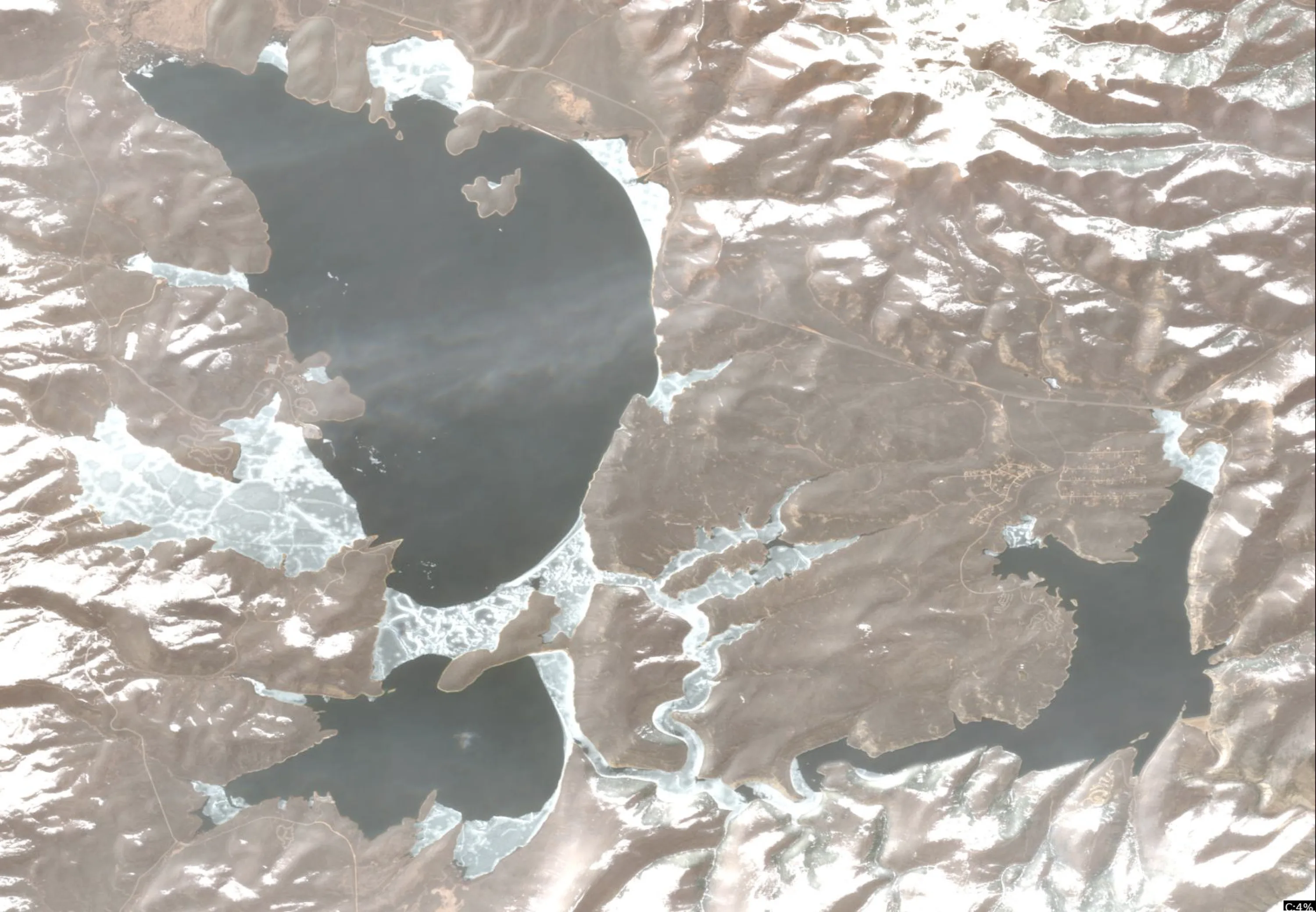
- Measured: Water temp is 73°F (lake sensors), well above the 45–65°F optimal for trout. Thermal imagery from July 11 shows a distinct 58–68°F band hugging the western shoreline – that’s your cool-water refuge.
- Measured: Solunar tables give a major feeding period 3:18–5:48 PM and a minor 8:17–9:47 AM. Hourly conditions show 8–12 mph wind and a light rain chance in the morning, which extends the active window.
- Inferred: Trout are stressed and will hold tight to the thermal break to conserve energy, waiting for bait to cross the temperature seam. The stained water from southern inflows (clarity imagery from March shows high sediment) makes vibration baits the right tool – fish will track by lateral line, not sight.
START HERE
Western shoreline coves – specifically the transition zones where the cooler 58–68°F water meets the main 73°F body. Look for the line where the water color changes from a darker blue (cooler, deeper) to a lighter blue (warmer main lake). Also target the southern inflow channels where sediment plumes create a sharp turbidity edge – the dirtier water concentrates bait and gives trout a feeding lane.
THROW THIS
- Primary: 1/2 oz chatterbait or swim jig – white/chartreuse in stained water, natural shad in clearer lanes. Retrieve moderate to fast, running the bait along the clarity seam and the thermal break. The vibration cuts through the suspended sediment.
- Backup: Topwater walking bait (bone color) from 8:17–9:47 AM over points and flats inside the coves. If the sun gets high or the bite stalls, switch to a drop-shot with a 3” worm (dark green pumpkin) or a jigging spoon (silver) – fish the 15–20 ft depth range where the cooler water layer sits.
BEST WINDOW
- Morning: 8:17–9:47 AM MDT – minor solunar, 8–12 mph wind, light rain possible. The rain will diffuse light and keep trout shallow-feeding longer.
- Afternoon: 3:18–5:48 PM MDT – major solunar, 8 mph wind, stable pressure. This is your highest-confidence window. Be on the water by 3:00 PM and work the western coves first.
NEXT MOVE
If the western coves produce only follows or no bites after 45 minutes, slide to the central/southern transition zone at the 69°F contour line. This is a middle ground between the hot inlets and the deep basin – more stable oxygen and temperature. Slow down with a drop-shot or jigging spoon in 20–25 ft. Also watch the wind: if afternoon gusts exceed 15 mph, move to the protected lee banks on the east side of the lake and switch to a heavier jig (3/4 oz) to maintain bottom contact.
Measured vs. Inferred
- Measured: 73°F water temp, 58–68°F thermal band on western shore (July 11 imagery), solunar times, 8–12 mph wind forecast.
- Inferred: Trout position along the thermal break, effectiveness of vibration baits in stained water, and the impact of light rain extending the morning bite.