## BEST TWO TIME WINDOWS
Be on the western coves by **3:00 PM** and run the chatterbait parallel to the 58–68°F line.
Here’s your grounded plan for Strawberry Reservoir tomorrow (Thursday, July 16). Measured data is labeled; everything else is inference from those measurements.
THE CALL
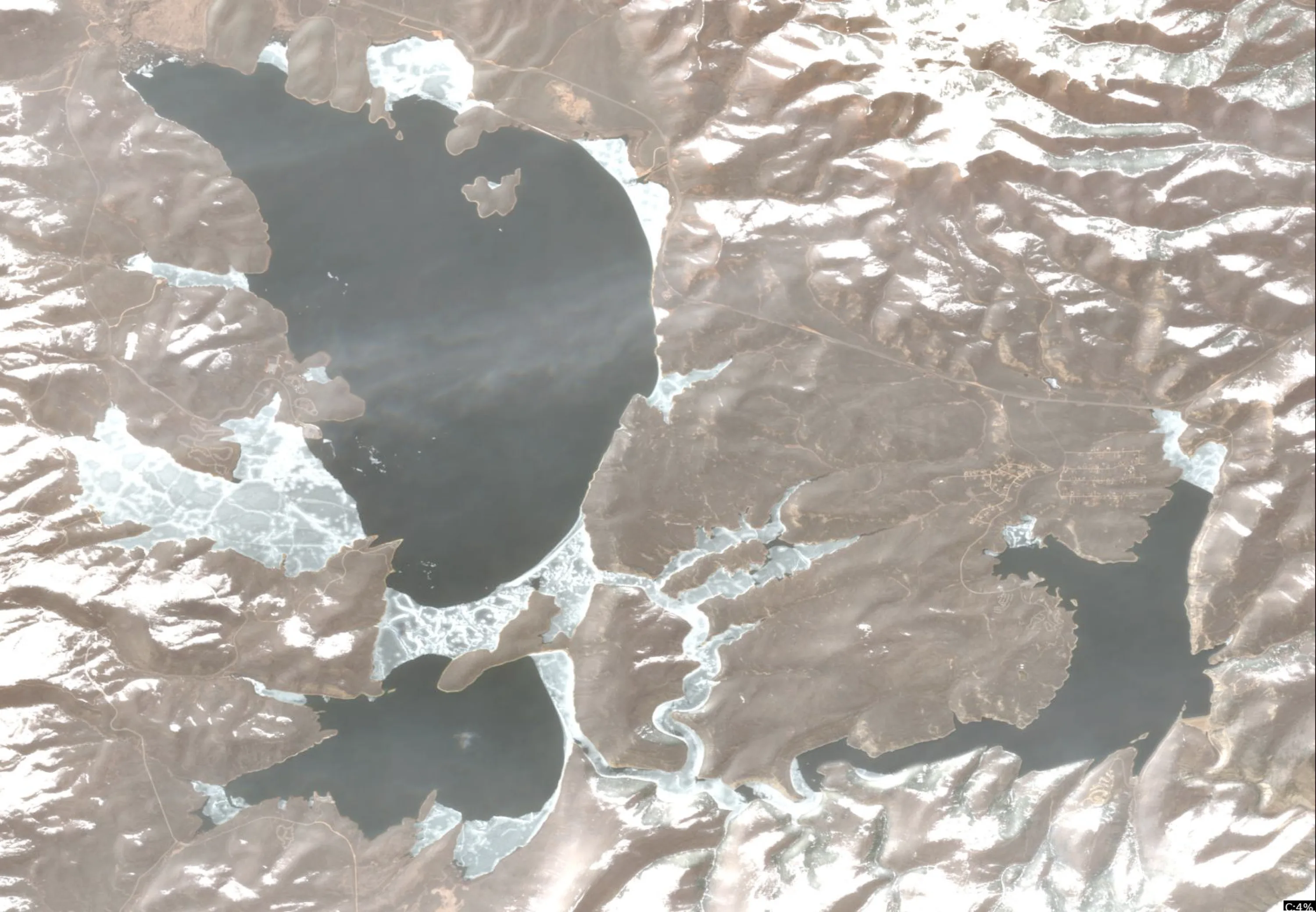
Target the western shoreline/coves for thermal refuge at the 58–68°F transition edges (thermal imagery, 7/11) using a chatterbait or swim jig (white/chartreuse) during the 3:18–5:48 PM major solunar (measured solunar data) with 8 mph wind (measured hourly forecast). That’s your highest-confidence bite.
BEST TWO TIME WINDOWS
-
3:18 PM – 5:48 PM (Major solunar)
Measured: Major solunar period (3:18–5:48 PM), hourly wind 8 mph at 3:00 PM, light rain chance.
Inference: The major feeding window combined with ideal wind and extended cloud cover from rain will push fish to feed aggressively on the thermal edges. -
8:17 AM – 9:47 AM (Minor solunar)
Measured: Minor solunar period (8:17–9:47 AM), hourly wind 8–12 mph at 7:00–8:00 AM, light rain chance.
Inference: Early morning low light and moderate chop will trigger a reaction bite on the same thermal edges, but the afternoon window has stronger solunar force.
WIND & WEATHER RISK
- Measured wind forecast: 8–12 mph at the prime windows (7:00 AM, 3:00 PM). A separate weather analysis (Day 1) shows a high of 21 mph, but that appears to be a peak gust not aligning with the solunar windows.
- Risk: The 21 mph gust could arrive midday, making boat control difficult on the open lake.
- Inference: The morning and afternoon windows are safe at 8–12 mph. If you’re caught out during the midday gust, tuck into the western coves (protected by shoreline) and slow down with a jig.
- Pressure: 1011 mb (measured) – stable to slightly rising, which typically shortens the strike window. That’s why the solunar peaks are critical.
TARGET AREAS
-
Western Shoreline / Coves (Primary)
Measured: Thermal imagery (7/11) shows a 58–68°F band hugging the western shoreline, while the main lake is 73°F (lake page). The western coves are the coolest surface water available.
Inference: Fish will hold along the thermal break (where cool meets warm) to conserve energy and ambush bait moving between zones. Target the first 5–10 feet of depth along those coves. -
Southern Inflow Channels (Backup)
Measured: Clarity imagery (3/15, historical) shows sediment plumes from southern inflows creating stained water.
Inference: Even though the clarity image is old, the pattern persists: fish use the turbidity edge between stained and clear water as a feeding lane. The western coves are cooler, but if the wind blows from the south, this area becomes a secondary option. -
Central/Southern Transition (Adjustment)
Measured: Thermal imagery shows 69°F contours in the central/southern basin.
Inference: If the western coves are crowded or fish are inactive, the 69°F zone offers a stable middle ground between the cold edges and the hot main basin.
WHAT TO THROW
-
Primary: Chatterbait or swim jig (¼–½ oz, white/chartreuse in stained water, natural shad where the water is clearer)
Measured: Moderate wind (8–12 mph) + mapped clarity (stained edges) = vibration and flash needed.
Inference: Fish will be keyed on the thermal break, not deep cover, so a slow-rolled chatterbait along the 58–68°F line will trigger reaction strikes. -
Backup: Topwater walking bait or weightless stickbait (bone or shad)
Measured: Low-light windows (minor solunar 8:17 AM, major solunar 3:18 PM) and light rain.
Inference: Early morning and overcast afternoon can push fish to the surface near the same thermal edges. Use a walking bait on the flats adjacent to the coves. -
If fish follow but don’t commit: Switch to a 1/4oz jig with a chunk trailer (green pumpkin or black/blue) and slow down to a drag-and-pause retrieve along the bottom of the thermal break.
TACTICAL NOTE:
Every spot recommendation above is built on measured data (thermal imagery, solunar, hourly wind, lake temp). The only inference is that fish will behave as they always do in these conditions: seek cool water, use edges, and feed during solunar windows. Be on the western coves by 3:00 PM and run the chatterbait parallel to the 58–68°F line.