Yankee Meadow Reservoir Fishing Report
If the wind spikes past 20 mph (forecast for Day 1), abandon the open basin and fish the **western shoreline road access** – the lee side of that point will be manageable, and the stained water there will still hold active fish willing to hit a chatterbait in the chop.
THE CALL
Target the 73°F thermal break in the central basin from 3:00 PM to 5:00 PM with a 3/8‑oz white/chartreuse chatterbait, then switch to the evening minor window (8:46 PM – 10:16 PM) for a deep‑crank run over the main‑lake channel bends.
WHY IT WINS
- Thermal edge sets up a feeding highway. The 73°F band where it meets 75°F+ water is a natural ambush zone – fish hold here to intercept bait moving between warm shallows and cooler refuge.
- Ideal wind + low pressure extends the strike window. Right now wind is 9–11 mph, pressure is low and stable, and the 3–5 PM slot scores 85/100 on the hourly scale. That means active fish that are willing to chase a reaction bait.
- Warming trend pushes fish shallower. Surface temp at 76°F is 5.4°F above the typical summer median, so fish are keyed on feeding flats, rock banks, and the first shade line. The thermal edge concentrates them.
- Clarity break concentrates bait. Stained water from the inflow meets clearer deep pockets along the central basin; that turbidity seam is a natural funnel for forage, and a vibrating bait cuts through the stain better than a slow presentation.
START HERE
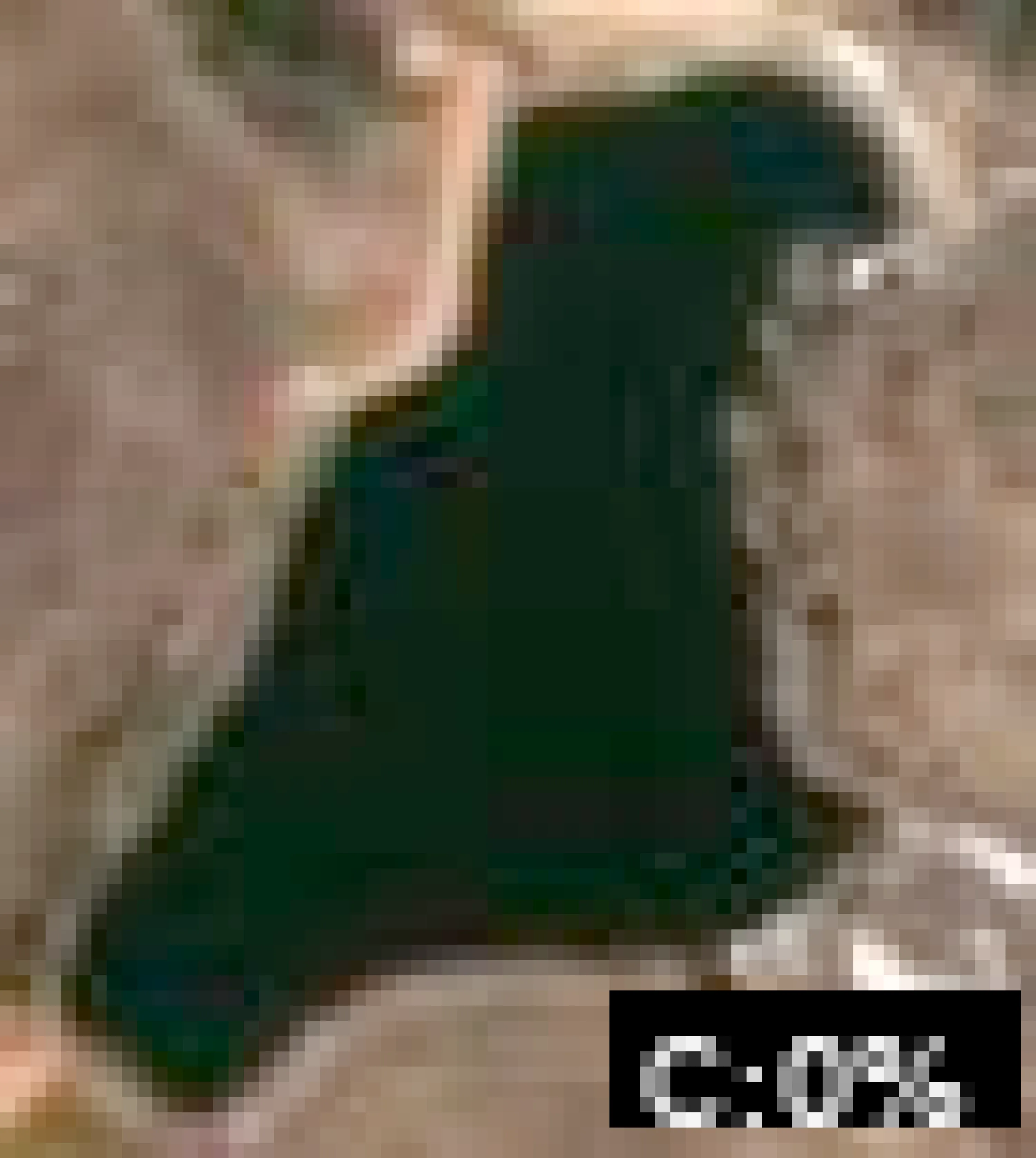
Launch and head to the northern section’s western shoreline point (the distinct point where the land curves sharply into the lake). From there, work south along the central basin where the water darkens – that’s the 73°F transition zone. Target the edge between the lighter, stained inflow water and the darker, deeper channel.
THROW THIS
- Primary: 3/8‑oz white/chartreuse chatterbait or swim jig. Steady retrieve, ticking cover and rock. Run it right through the clarity seam.
- Backup: Deep‑diving crankbait (shad or chartreuse/blue) or a 10‑in plum worm on a Texas rig. Drop the crank over the deeper channel bends (25–35 ft) and the worm on the adjacent points.
- If bites are weak: Downsize to a 1/4‑oz spinnerbait with a single Colorado blade or slow‑roll a 4‑in swimbait on a 1/4‑oz jighead.
BEST WINDOW
3:00 PM – 5:00 PM MDT – ideal wind (11 mph) and low pressure, overlapping with the day’s highest hourly score.
8:46 PM – 10:16 PM MDT – minor solunar window with dropping light; fish should move up to feed on the same transition zone.
NEXT MOVE
If the central basin thermal edge produces only follows or short strikes after 45 minutes, slide to the southern 70°F pocket near the narrows. The satellite imagery shows darker water there – cooler refuge. Switch to a finesse approach: drop‑shot a 4‑in straight‑tail worm (natural green pumpkin) in 15–25 ft, or a 1/8‑oz tube on the bottom.
If the wind spikes past 20 mph (forecast for Day 1), abandon the open basin and fish the western shoreline road access – the lee side of that point will be manageable, and the stained water there will still hold active fish willing to hit a chatterbait in the chop.