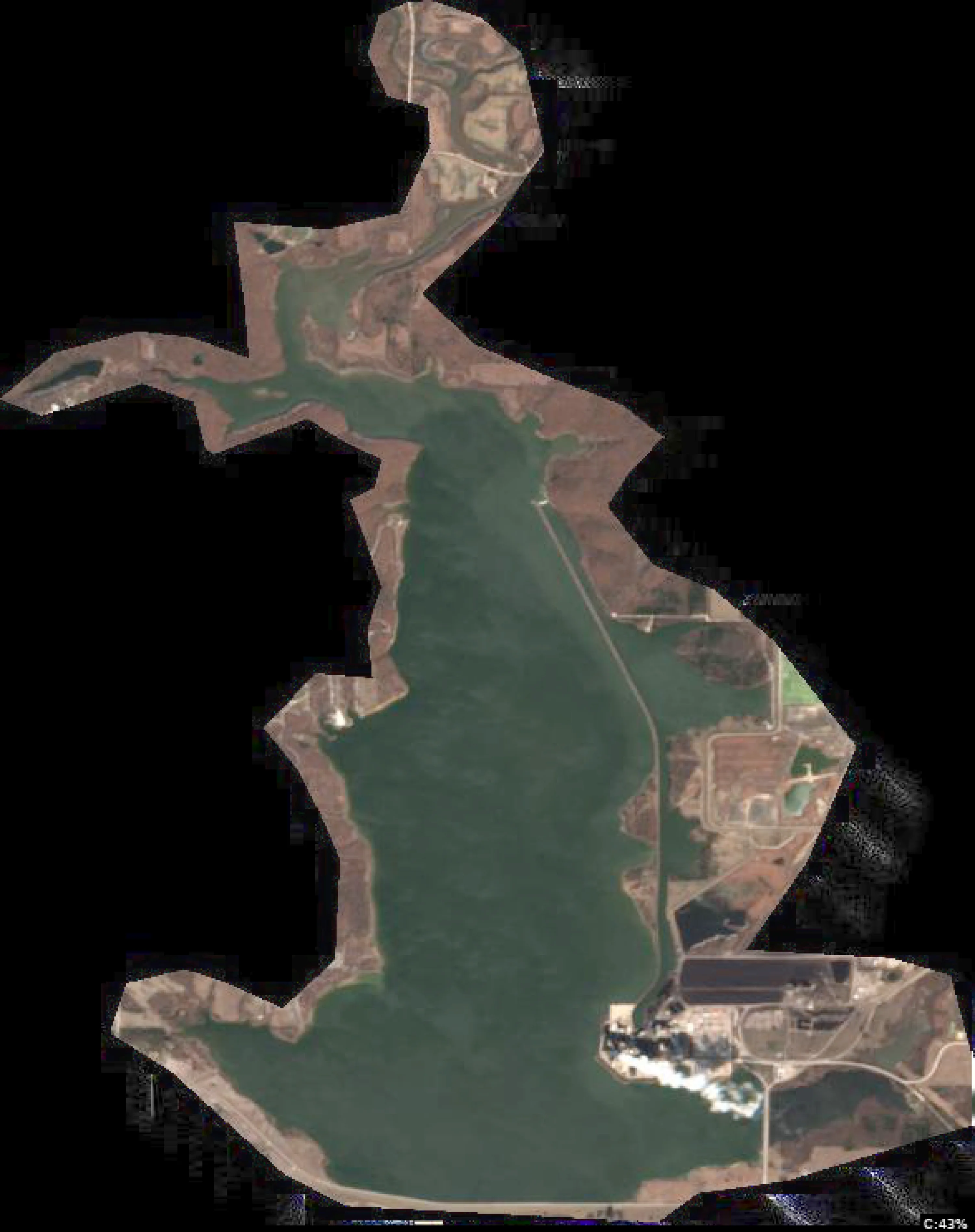
La Cygne Lake Fishing Report
**SWITCH TRIGGER:** If you've fished three or four pieces of cover on the south shore for 45 minutes with no taps, move to the sheltered north shore and fish the same cover with a minnow, dead-slow — that's the high-pressure, cold-water adjustment, and it's the next move, not a new plan.
THE CALL: Crappie, 2:21–4:51 PM today, working the wind-blown south shore cover with a 1/16-oz jig under a float, moving slow. That's the major solunar window landing on the calmest, warmest stretch of the forecast (46°F air, 7 mph N wind, mostly clear) — the best overlap of the day.
WHY IT WINS:
- The lake-page surface reading is 69°F from Oct 30 — 325 hours stale, so treat it as history, not now. With mid-November nights in the 30s, I'd estimate the surface is low 50s and falling — late-fall fish, and La Cygne's power-plant influence means it cools slower than neighbors like Truman (57.3°F nearby), so fish stay a touch more active here than the calendar suggests.
- Late-fall crappie bunch on vertical cover near deeper water — brush, standing timber, and channel-edge wood where the shallow flat drops off. This lake is shallow, so the band is tight: 3–6 ft over or beside cover, tighter to it as the water cools.
- The tools name the wind-blown shore: with NNE wind, the south shore takes the wind and the bait; the north shore is sheltered. A 5–7 mph N wind is just enough to stack bait without making a shallow lake muddy.
- Pressure is rising through the day (+11 mb across the series) — that's a post-front high-pressure slide, so expect a neutral-to-negative mood and fish tight to the wood.
START HERE: The south-shore wind-blown bank, targeting any brush or timber standing in 3–6 ft near a channel swing. No mapped spot data was supplied, so this start is condition-based — pick the first cover you graph with bait on it.
THROW THIS: 1/16-oz jig head, 2" plastic in chartreuse or chartreuse-orange (stained-water colors for a wind-blown shallow lake), under a thin float, 4–5 ft deep, with a dead-slow cadence — shake it in place 10–15 seconds between small moves. Backup bait: a live minnow on the same float rig, which is the right call once the pressure read says "slow down."
BEST WINDOW: Be set up by 2:00 PM. The 2:21–4:51 PM major period sits inside the day's calmest, warmest hours (46°F, 7 mph, mostly clear), and you're off by dark — air drops through the 30s fast after 6 PM. The minor evening period (6:53–8:23 PM) is a legitimate second look if you can stand the cold, but the afternoon window is the one to commit to.
SWITCH TRIGGER: If you've fished three or four pieces of cover on the south shore for 45 minutes with no taps, move to the sheltered north shore and fish the same cover with a minnow, dead-slow — that's the high-pressure, cold-water adjustment, and it's the next move, not a new plan.