La Cygne Lake Fishing Report
One gap, stated once: no fresh measured water temp or mapped spot data for this lake, so the discharge-seam location is a read — verify it with your thermometer on the water.
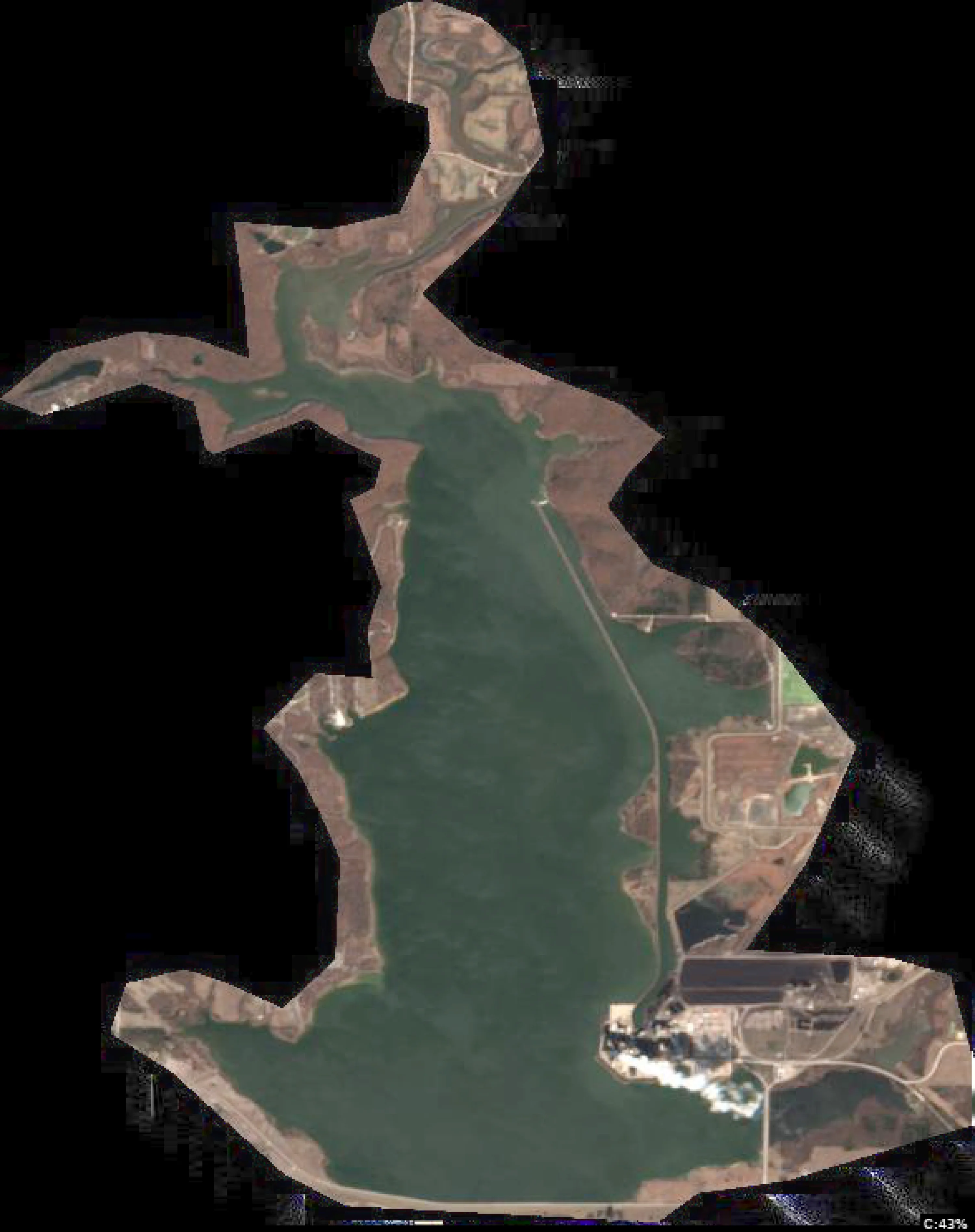
THE CALL: Crappie, 2:21–4:51 PM today, on the wind-blown south shore where the warm discharge water and pushed bait collect — 1/16-oz chartreuse-orange jig under a float, fished slow over brush and channel-edge cover in 4–8 ft.
WHY IT WINS:
- The lake-page surface reading is 69°F (Oct 30, 325 hours old — stale), but La Cygne is a powerplant cooling lake, so my read is it's holding mid-50s to low 60s now, well above every natural lake in the region (Truman is 57.3°F). That warm water keeps crappie feeding later into November than anywhere nearby.
- The major solunar period (2:21–4:51 PM) lands exactly on the day's warmest, calmest hours: 46°F air, 6.9 mph NNE, clear. Timing context, but it lines up with the best conditions of the day.
- The tools name the south shore as the wind-and-bait side with a north wind; bait stacks there and crappie follow it.
- Water color is likely stained from the discharge side — chartreuse and orange show up in it.
START HERE: The south shore near the warm-water discharge arm, working brush piles and the channel-edge cover where the warm plume meets cooler lake water. That temperature seam is the first thing to verify — if you have a thermometer, find where the water jumps a few degrees and fish that line.
THROW THIS: 1/16-oz jig head, chartreuse body with orange head, under a small float, 4–5 ft down, with a crawl-and-pause cadence — one turn of the reel, let it sit three seconds. Cold-water crappie want it barely moving. Backup bait: a live minnow on the same float rig.
BEST WINDOW: Be set up by 2:00 PM. Air climbs to 46°F by 2–3 PM, wind backs to 5–7 mph, clear sky. Off the water by 5:30 — air drops through the 30s fast after sunset.
NEXT MOVE: If the jig gets no takers in 30 minutes on the seam, drop the float 2 ft deeper and switch to the minnow on the same cover. If that's dead too, slide to the sheltered north shore and fish the first drop-off slower — the fish will have slid off the wind-blown bank if the warm plume shifted.
One gap, stated once: no fresh measured water temp or mapped spot data for this lake, so the discharge-seam location is a read — verify it with your thermometer on the water.